Buying a home trends 2026 will shape how millions of Americans approach one of life’s biggest financial decisions. The housing market continues to shift, and buyers who understand what’s coming can position themselves for success. From mortgage rates to technology tools, several key factors will influence purchasing power and strategy in the year ahead.
This guide breaks down the most important buying a home trends 2026 has in store. Whether someone is a first-time buyer or looking to upgrade, these insights will help them make smarter choices.
Table of Contents
ToggleKey Takeaways
- Mortgage rates in 2026 are expected to stabilize between 6% and 7%, making adjustable-rate mortgages and temporary rate buydowns attractive options for buyers.
- Remote work continues to shape buying a home trends 2026, with buyers prioritizing home office space, extra bedrooms, and reliable internet connectivity.
- Energy-efficient features like solar panels and modern HVAC systems command premium prices, while homes with poor efficiency ratings may sell at discounts.
- Technology is transforming the home buying process—expect virtual tours, AI-powered analysis tools, and faster digital mortgage approvals as standard practice.
- Regional markets vary significantly: Sun Belt areas have cooled but remain competitive, Midwest cities offer affordability, and coastal markets stay expensive with limited inventory.
- Inventory will improve slightly in 2026, but most homeowners remain locked into low-rate mortgages, keeping the market seller-favorable in most regions.
Interest Rates and Mortgage Market Outlook
Interest rates remain the single biggest factor affecting buying a home trends 2026. After years of volatility, mortgage rates are expected to stabilize in the mid-6% range through much of the year. This represents a slight improvement from 2024 and 2025 peaks, though rates remain well above the historic lows buyers enjoyed during the pandemic.
The Federal Reserve’s approach to inflation will largely determine where rates land. If inflation continues its slow decline, buyers may see rates dip closer to 6% by late 2026. But, economic uncertainty could keep rates elevated.
What This Means for Buyers
Buyers should prepare for rates between 6% and 7% when planning their 2026 purchase. A $400,000 home at 6.5% results in a monthly payment of roughly $2,528 (principal and interest only). That’s significantly higher than the $1,700 payment buyers would have seen at 2021’s 3% rates.
Adjustable-rate mortgages (ARMs) may become more attractive in 2026. These products often offer lower initial rates, which could save buyers money if they plan to sell or refinance within five to seven years.
Lenders are also introducing more creative financing options. Temporary rate buydowns, where sellers or builders pay to reduce the buyer’s rate for the first few years, have grown popular. Expect this buying a home trend in 2026 to continue.
Shifting Buyer Preferences and Priorities
Buyer priorities have changed dramatically since 2020, and those shifts will define buying a home trends 2026. Remote work remains a major influence. Approximately 35% of workers now have hybrid or fully remote arrangements, and these buyers prioritize home office space over commute times.
Square footage matters more than ever. Buyers want dedicated spaces for work, exercise, and hobbies. The “extra bedroom” has become essential rather than optional for many households.
Location Preferences
Suburban and exurban markets continue to attract buyers priced out of urban cores. Secondary cities like Boise, Raleigh, and Austin remain popular, though their prices have risen considerably. In 2026, expect buyers to look even further afield, smaller metros and rural areas with good internet connectivity will see increased interest.
Walkability still matters to certain demographics. Millennials and Gen Z buyers often prioritize neighborhoods with restaurants, shops, and entertainment within walking distance. This creates a split market: some buyers chase space while others chase convenience.
Sustainability and Energy Efficiency
Energy-efficient homes command premium prices in 2026. Buyers actively seek properties with solar panels, modern HVAC systems, and strong insulation. Rising utility costs make these features practical investments rather than luxury add-ons.
Many buyers now request energy audits before closing. Homes with poor efficiency ratings may sit longer on the market or sell at discounts.
Technology Shaping the Home Buying Process
Technology continues to transform how people buy homes, and several buying a home trends 2026 reflect this shift. Virtual tours have become standard practice. Buyers now expect 3D walkthroughs and video tours for any serious listing. Properties without virtual options may receive fewer inquiries.
AI-powered tools help buyers analyze neighborhoods, estimate future property values, and compare financing options. These platforms process data from thousands of transactions to provide personalized recommendations.
Digital Mortgage Applications
The mortgage application process has gone largely digital. Most lenders now offer fully online applications, document uploads, and e-signatures. Buyers can complete much of the process from their phones.
Approval times have shortened as a result. What once took weeks can now happen in days. Some lenders offer instant pre-approval based on real-time income verification and credit checks.
Smart Home Features
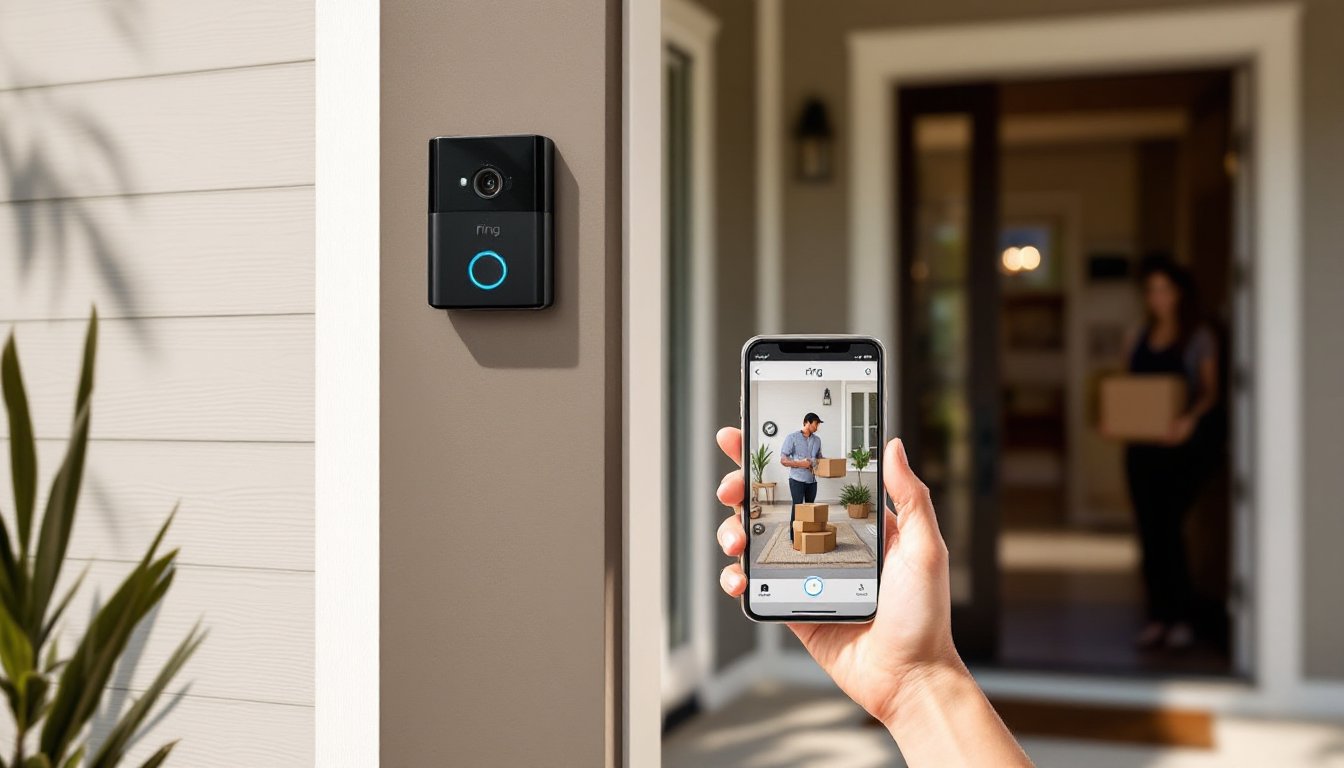
Buyers increasingly expect smart home technology as standard. Connected thermostats, security cameras, and smart locks have moved from “nice to have” to “expected.” Homes without these features may need updates to compete in 2026’s market.
This buying a home trend in 2026 extends to connectivity infrastructure. Buyers ask about internet speeds and fiber availability. Poor connectivity can kill a sale, especially for remote workers.
Regional Market Variations to Watch
Buying a home trends 2026 vary significantly by region. National averages hide dramatic local differences that buyers must understand.
Sun Belt Markets
Texas, Florida, and Arizona markets have cooled from their 2021-2022 peaks. But, population growth continues to drive demand. Dallas, Tampa, and Phoenix remain competitive, though buyers have more negotiating power than they did two years ago. Insurance costs in Florida deserve special attention, homeowners insurance rates have doubled or tripled in some areas.
Midwest Opportunities
Cities like Columbus, Indianapolis, and Kansas City offer relative affordability. These markets haven’t experienced the same price spikes as coastal areas. Buyers seeking value will find opportunities here, especially those relocating from higher-cost regions.
Coastal Market Realities
California and Northeast markets remain expensive. San Francisco, Los Angeles, New York, and Boston will continue to challenge buyers with limited inventory and high prices. But, remote work has reduced some pressure on these markets as workers relocate.
Inventory Expectations
Inventory levels will improve slightly in 2026, but buyers shouldn’t expect a flood of new listings. Many homeowners remain “locked in” to their low-rate mortgages and unwilling to sell. New construction will help, though it takes time to bring projects to market. Overall, buying a home trends 2026 suggest a market that’s stabilizing but still favors sellers in most regions.