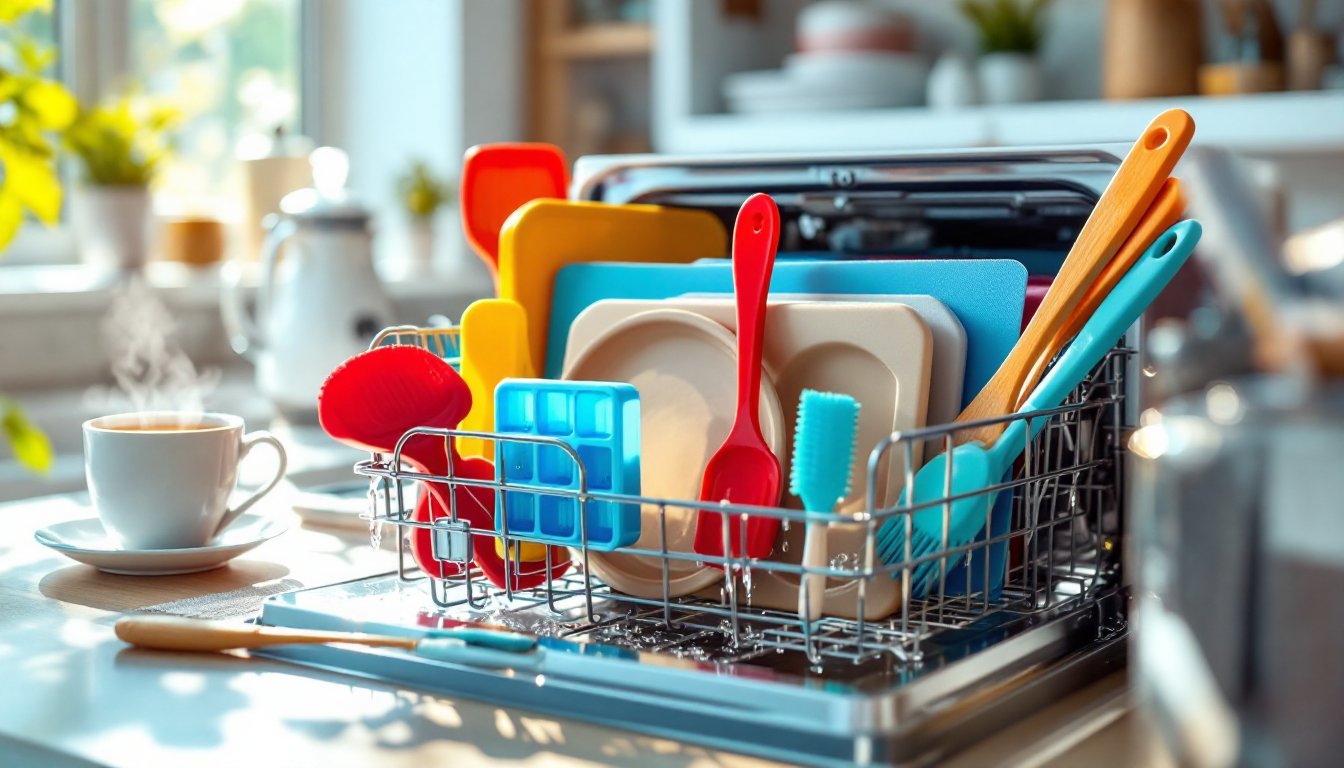
You’ve probably got silicone kitchen tools scattered around, spatulas, baking mats, ice cube trays. The question hits everyone eventually: can silicone actually go in the dishwasher, or is hand washing the only safe bet? The short answer is yes, most food-grade silicone products are dishwasher safe and can handle both the heat and motion of a modern dishwasher. But there’s a catch. Not all silicone is created equal, and not all manufacturers design their products with the same durability standards in mind. Understanding what you’re working with, and following the right cleaning approach, keeps your silicone gear lasting years instead of degrading or picking up permanent stains. Let’s cut through the confusion and get you the facts.
Table of Contents
ToggleKey Takeaways
- Most food-grade silicone products can safely go in the dishwasher since they withstand temperatures far exceeding typical dishwasher cycles of 130–170°F without breaking down.
- Always check the manufacturer’s label before assuming silicone is dishwasher safe, as lower-quality silicone may degrade, stain, or develop a sticky residue over time.
- Place silicone items on the upper rack of your dishwasher, avoid the heating element, and skip the heated drying cycle to prevent warping and extend product lifespan.
- Hand washing is the better choice for colored silicone, items with intricate details, and products from unknown manufacturers, since it preserves color and ensures thorough cleaning.
- Industrial silicone or silicone-coated items should not go in the dishwasher unless explicitly labeled as dishwasher-safe, as they may contain non-food-grade additives.
Is Silicone Dishwasher Safe?
Food-grade silicone is generally dishwasher safe. This material is designed to withstand high temperatures, moisture, and repeated washing cycles without breaking down or leaching chemicals into food. Silicone doesn’t rust, corrode, or absorb odors the way some plastics do, which makes it a practical choice for kitchen items.
But, the key word here is “generally.” Dishwasher safety depends on two things: the quality of the silicone itself and what the manufacturer explicitly states. Lower-quality silicone can degrade faster, become stained or discolored, or develop a sticky residue over time. That’s why checking the label matters more than assumptions.
Most modern silicone baking mats, spatulas, brush heads, and molds can handle temperatures up to 400–500°F (204–260°C), far exceeding what a standard dishwasher cycle reaches. A typical dishwasher runs between 130–170°F (54–76°C), so temperature isn’t usually the limiting factor. The real risks are staining, color fading, or surface degradation if you ignore the manufacturer’s specific instructions.
Types of Silicone and Their Dishwasher Compatibility
Food-Grade Silicone Products
Food-grade silicone is the type you’ll find in kitchen tools, baking molds, spatulas, and ice cube trays. It’s FDA-approved for food contact and doesn’t contain BPA or phthalates. This stuff is generally safe in the dishwasher, and most manufacturers design it with dishwasher cycles in mind.
Common food-grade items include silicone baking mats, which are durable and rarely damaged by dishwasher heat, and silicone spatulas or spoon heads, which tolerate frequent washing well. Ice cube trays and molds made from food-grade silicone can also go in the dishwasher, though many homeowners hand wash them to extend lifespan and keep colors from fading.
When you’re shopping, look for labels stating “food-grade” or “FDA-approved.” This tells you the material was tested for food safety and stability. Quality food-grade silicone from established brands (brands like OXO, Silicone King, or Tovolo) tend to resist staining and degradation better than generic alternatives.
Industrial and Non-Food Silicone
Industrial silicone, used in seals, gaskets, adhesives, or weatherproofing, is a different story. This type is not designed for food contact and absolutely should not go in the dishwasher. It may contain additives or degrading agents that aren’t food-safe and can break down in warm water.
Also avoid putting silicone-coated items (like pot holders or oven mitts with silicone grips) directly in the dishwasher unless the manufacturer explicitly says the item is dishwasher safe. The coating may separate from the base material or deteriorate under dishwasher conditions. When in doubt, hand wash these items, it takes 30 seconds and saves the hassle of replacing them.
Manufacturer Guidelines and Temperature Limits
Always, and I mean always, check the manufacturer’s label before tossing silicone into the dishwasher. Many brands explicitly state whether their products are dishwasher-safe, and some go further, specifying a safe temperature range or recommending hand washing instead.
Most quality silicone products rated as dishwasher-safe are safe up to the dishwasher’s maximum temperature (usually around 170°F or 76°C). Some manufacturers, but, recommend hand washing to preserve color, prevent staining, or avoid potential mineral buildup from hard water. This is more about longevity than safety, your silicone won’t break or leach chemicals, but it might get dingy or sticky.
If the label says “hand wash recommended” or “do not place in dishwasher,” respect that instruction. It typically means the manufacturer tested the product and found that dishwasher conditions weren’t ideal for its durability. Ignoring this recommendation voids warranties on some products and can lead to premature wear.
For unlabeled silicone items or secondhand silicone gear, you’re in a gray zone. If it’s clearly food-grade (smooth, non-oily finish) and from a reputable source, a gentle dishwasher cycle is usually fine. If you’re unsure, hand wash to be safe. It’s silicone, it cleans easily by hand anyway.
Best Practices for Cleaning Silicone in Your Dishwasher
If your silicone item is cleared for the dishwasher, a few simple strategies keep it in better shape for longer.
First, place silicone on the upper rack whenever possible. Upper racks run cooler and experience less water pressure than lower racks, which reduces stress on the material and minimizes staining. Avoid the heating element area: silicone can soften or warp if exposed to intense direct heat during the drying cycle.
Second, use a standard or eco-friendly dishwasher detergent, avoid anything overly harsh or bleach-based. Heavy-duty degreasers can discolor silicone or leave a filmy residue. For stubborn stains (silicone can pick up turmeric, tomato sauce, or other pigments), pre-soak the item in warm soapy water or a baking soda paste, then run the dishwasher cycle.
Third, if you notice silicone developing a sticky or oily feeling, it may be picking up mineral deposits or detergent residue. Run it through the dishwasher again, or hand wash with hot water and a drop of vinegar. This typically clears the issue.
Finally, air-dry silicone instead of running the heated drying cycle. Many homeowners skip the heat cycle for silicone items, just open the door partway and let air circulation do the work. This extends the life of the material and prevents the sticky feeling that heat can sometimes trigger. You can also stack silicone items in a dish rack to dry, which takes just minutes.
When to Hand Wash Silicone Instead
Hand washing isn’t hard, and for certain silicone items, it’s genuinely the better choice.
Hand wash silicone baking pans or molds if they have intricate details or deep crevices. Food particles or soapy water can trap in tight corners, and the dishwasher might not rinse them completely. A quick hand wash with warm soapy water and a soft brush guarantees thorough cleaning.
Also hand wash if you’re trying to preserve color and finish. Colored silicone, bright red spatulas, rainbow ice cube trays, or patterned baking mats, tends to fade slightly with repeated dishwasher cycles. If you love the original color, hand washing extends the lifespan significantly.
If your silicone items are vintage, secondhand, or from an unknown manufacturer, hand wash them. You don’t know how they were stored, what additives they contain, or whether the silicone quality is food-grade. A 60-second hand wash is safer than risking it.
Hand washing is also best for items with attached non-silicone components. For example, silicone utensils with wooden or plastic handles should be hand washed to protect the handle. Similarly, surprising items you can clean in the dishwasher may include silicone components, but the overall product design might not tolerate full immersion or spray pressure.
The good news: silicone cleans faster by hand than most materials. A silicone mat or spatula comes clean in seconds under warm running water. No scrubbing required, just a quick rinse and it’s done. If you value the item or notice it’s becoming discolored, hand washing is worth the 30 seconds of effort.