A 42 inch refrigerator represents a serious investment in your kitchen, and one that demands real consideration. Unlike standard refrigerators that fit neatly into gaps, a 42 inch built in refrigerator is a statement piece that commands counter space and floor plan planning. Whether you’re renovating a sprawling kitchen or upgrading an older appliance, understanding what a 42 refrigerator brings to the table helps you make the right choice. This guide walks you through capacity, installation, styling, and costs, so you can approach the purchase with confidence.
Table of Contents
ToggleKey Takeaways
- A 42 inch refrigerator offers 22–28 cubic feet of capacity—significantly more than standard models—making it ideal for households that entertain, meal prep, or have serious food storage needs.
- Built-in 42 inch refrigerators require precise measurements and structural modifications (typically 27–29 inches of depth), so hire a carpenter and electrician to avoid costly installation errors that could void your warranty.
- Expect to invest $3,500–$8,000 for the appliance plus $2,000–$3,500 in labor, but the long-term value increases if you plan to stay in your home 10+ years and benefit from superior insulation and durability.
- French door and bottom-freezer layouts are most popular for 42 inch models; choose based on your access patterns and ergonomic needs rather than trends.
- Panel-ready and black stainless steel finishes elevate a 42 inch refrigerator as an architectural focal point, whereas dated white or black options diminish the visual impact of the premium investment.
- Measure twice before ordering—verify ceiling height (84–90 inches), account for cabinet trim and door swing clearance, and confirm ventilation requirements in your manual to ensure seamless integration with your kitchen design.
Why Choose a 42 Inch Refrigerator for Your Home
A 42 inch built in refrigerator isn’t just bigger, it’s purposefully oversized for kitchens designed around serious food storage and entertaining. Most homeowners gravitate toward this size because it matches high-end kitchen layouts, premium cabinetry, and open-concept designs where the appliance is visible from multiple rooms.
The practical payoff is capacity. A standard top-freezer refrigerator maxes out around 20 cubic feet: a 42 built in refrigerator delivers 22–28 cubic feet depending on the model and configuration. That extra space translates to fewer trips to the grocery store, better organization of specialty ingredients, and less juggling during meal prep. If your household regularly hosts gatherings or you cook multiple meals ahead, the breathing room matters.
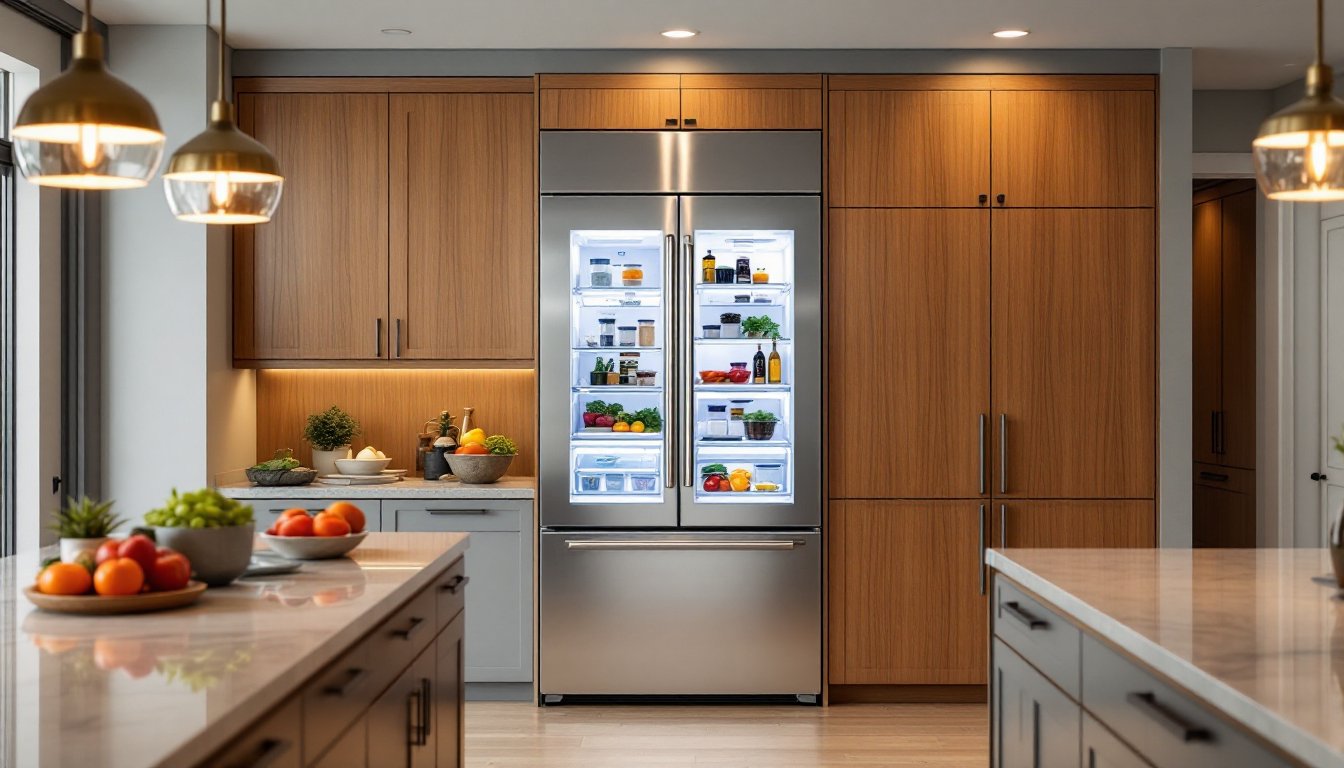
There’s also the lifestyle fit. Built-in 42 inch refrigerators integrate seamlessly with custom cabinetry, flush against countertops and backsplash without visible gaps. This requires precise framing and installation, it’s not a drop-in appliance, but the payoff is a kitchen that feels cohesive rather than assembled from store-bought parts.
Budget-conscious homeowners should know upfront: a 42 refrigerator costs roughly 50–100% more than a 36 inch freestanding model. You’re paying for size, premium finishes (stainless steel, panel-ready options), and built-in installation labor. If your current refrigerator does the job and floor space isn’t tight, a smaller unit will serve you fine. But if you’re mid-renovation, this is the moment to right-size your appliance.
Key Features and Style Options to Consider
Capacity and Interior Layout
Not all 42 inch refrigerators are equal. The layout, French door, side-by-side, bottom-freezer, or single-door configurations, affects how you actually use the space. French door models, which feature two refrigerator drawers above a freezer compartment, have become the most popular choice for high-end kitchens. They’re ergonomic (you don’t have to reach as far across a single wide door) and visually balanced for modern kitchens.
Bottom-freezer designs push the refrigerator space higher and the freezer lower, which suits people who access fresh food more frequently than frozen items. Side-by-side models split the unit vertically, which can feel cramped for tall items like sheet pans or bottles, though they do distribute weight evenly across shelving.
Look for adjustable shelving, humidity-controlled crisper drawers, and door bins that match your storage habits. According to lab testing, refrigerators with proper humidity control keep produce fresher longer, which directly impacts grocery costs and meal planning over time.
Design and Finish Options
Style matters because a 42 inch refrigerator becomes architectural focal point. Stainless steel remains the default, but modern kitchens increasingly opt for panel-ready designs that accept custom cabinet panels matching your cabinetry. This approach costs more upfront but creates a seamless, integrated look that’s worth the investment if cabinetry is your statement.
Black stainless steel (sometimes called fingerprint-resistant) has gained traction for contemporary spaces, while matte finishes suit minimalist designs. White and black refrigerators exist but feel dated in a 42 inch footprint: you’re investing in premium appliance when you should embrace the visual impact.
Interior lighting, LED panels instead of older incandescent bulbs, affects how the fridge looks when open and reduces heat generation. Smarter shelving layouts, adjustable door bins, and removable deli drawers add flexibility without being unnecessary bells-and-whistles.
Measuring and Installation Essentials
Before ordering any built in refrigerator, measure twice. A 42 refrigerator isn’t a retrofit into an existing 36 inch opening, it requires framing adjustments, cabinet modifications, or a kitchen redesign. Standard cabinet depth is 24 inches (facing): a built-in 42 inch refrigerator typically needs 27–29 inches of total depth including door swing and ventilation clearance at the back.
Width is another beast. Exactly 42 inches from side to side seems straightforward until you account for cabinet trim, hinges, and the space reserved for adjacent cabinetry. Budget an extra half-inch on each side for hardware. Ceiling height matters too: confirm at least 84 inches of vertical clearance, though 86–90 inches is safer for top-mounted cabinets and soffit work.
Installation typically involves:
- Removing the old appliance and disconnecting water (if the fridge has an ice maker or water dispenser) and electrical lines.
- Adjusting framing or cabinetry to accommodate the new width and depth. This often means removing cabinet sides or adding blocking.
- Ensuring level surfaces. Refrigerators require level installation, even slight tilts cause door seal failure and compressor strain.
- Routing utilities, including a dedicated 20-amp circuit for the refrigerator (building code in most jurisdictions) and water supply lines if needed.
- Ventilation setup. Built-in models need air circulation around the condenser coils: some use a rear vent system, others pull air from below. Confirm the manual specifies your setup.
Unless you’ve framed kitchens before, hire a carpenter to handle the structural work and an electrician for circuits. Some appliance retailers include installation, so ask upfront. A sloppy install can void warranty coverage and cause performance issues within months.
Cost Considerations and Budget Planning
A 42 inch built in refrigerator costs between $3,500 and $8,000+ depending on brand, features, and finish. Premium names like Miele, Sub-Zero, and Thermador command the higher end: mid-tier brands like LG, Samsung, and Bosch offer solid performance at $4,000–$5,500. Budget models from local appliance retailers sometimes undercut major brands, but parts availability and service support can be spotty.
Don’t forget installation labor. A carpenter charges $50–$150 per hour and might spend 4–8 hours modifying framing and cabinetry. An electrician might add another $500–$1,200 to run a dedicated circuit and water line. Expect to spend $2,000–$3,500 total on labor if your kitchen requires structural updates.
Operating costs are modest: a 42 refrigerator draws roughly 600–800 watts and runs intermittently, so annual electricity costs are $150–$250 depending on local rates. Water usage (if you have an ice maker or dispenser) adds minimal expense.
One cost advantage: built-in models often last longer than freestanding units because better insulation and cabinet integration reduce thermal cycling. If you’re staying in your home 10+ years, the per-year cost becomes more palatable. Warranty coverage, typically 1 year parts and labor, sometimes extended to 3–5 years with purchase plans, is worth factoring in.
Research specific models before committing. Kitchen design publications and independent lab testing offer honest performance feedback, which protects you from expensive mistakes. Your contractor or electrician may also have vendor relationships that yield modest discounts.
Conclusion
A 42 inch refrigerator is an anchor appliance that rewards deliberate planning. Measure your space carefully, understand your storage needs, and weigh the upfront and ongoing costs against your household’s actual use. If you’re building a premium kitchen or have serious storage demands, the investment pays off in convenience and kitchen cohesion. If you’re working within tighter constraints, a well-chosen 36 inch model serves most homes just as well. Either way, slow down before you buy, this decision shapes your kitchen for the next decade.