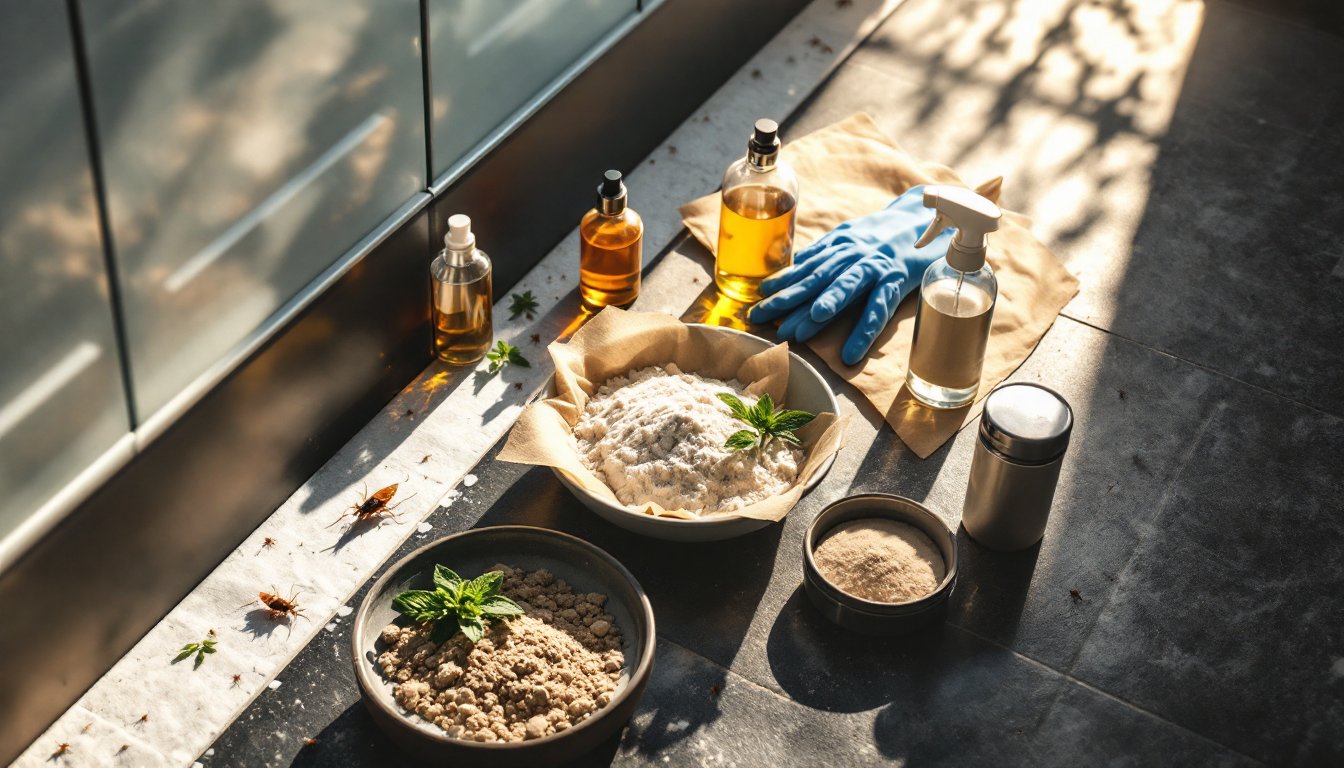
Roaches are relentless. They hide in walls, multiply faster than you can spray, and seem to laugh at most store-bought solutions. If you’ve got an infestation creeping through your home, you don’t necessarily need to call an exterminator or drop a fortune on commercial pesticides. A solid homemade roach killer can be just as effective, and you probably have the ingredients already. This guide walks you through proven DIY roach control methods that work, why roaches show up in the first place, and how to apply each solution safely and effectively.
Table of Contents
ToggleKey Takeaways
- Homemade roach killer solutions like boric acid, diatomaceous earth, and borax are affordable, effective alternatives to professional extermination when dealing with small to moderate infestations.
- Boric acid is the most potent homemade roach killer, working both on contact and as an ingested poison, typically showing results within 1–2 weeks with weekly reapplication and careful safety precautions.
- Roaches multiply rapidly and hide during the day; spotting a single roach during daylight indicates an established infestation requiring immediate treatment with proven DIY methods or professional help if severe.
- Food-grade diatomaceous earth and essential oil sprays offer non-toxic, pet-safe alternatives to chemical roach killers, though they work more slowly and are best used as supplementary prevention methods.
- A borax and powdered sugar mixture provides a budget-friendly homemade roach killer trap that attracts roaches through bait and can eliminate entire colonies through secondary poisoning within 1–2 weeks.
- If DIY roach killer treatments don’t show improvement after 2–3 weeks of consistent application, professional pest control may be necessary, especially in households with young children or pets.
Why Roaches Infest Homes and When to Take Action
Roaches don’t care how clean your house is. They’re attracted to three things: food, water, and shelter. A single roach dropping crumb in your kitchen, a leaky pipe under the sink, or a gap behind the stove becomes an all-you-can-eat buffet with built-in housing. They multiply fast, a female German roach can produce 30 to 40 nymphs in a single egg case, and she’ll lay multiple cases throughout her life.
When you spot one roach during the day, there’s a good chance dozens more are hiding. Roaches are nocturnal and avoid light: a daytime sighting signals an established population. At that point, a DIY roach killer isn’t optional, it’s necessary. Small infestations (a few roaches spotted over weeks) can often be handled with homemade solutions and preventive measures. Severe infestations covering multiple rooms, walls, or lasting months may warrant a professional pest control service, especially if you have kids or pets and need extra caution around chemical treatments.
The advantage of homemade roach control is you control every ingredient, application, and safety measure. You also avoid the cost of service calls and the hassle of scheduling. Start with a solid diy roach killer approach: if the problem persists after 2–3 weeks of consistent treatment, escalate to a pro.
Boric Acid: The Most Effective Homemade Roach Killer
Boric acid is the gold standard of homemade roach killers. It’s affordable, proven, and widely available in hardware stores and online. When a roach walks through boric acid powder, it clings to their legs and body: they then groom themselves and ingest it, leading to dehydration and death within days. Boric acid works on contact and as an ingested poison, making it doubly effective.
Safety first: Boric acid is toxic if ingested by humans or pets. Keep it away from children’s and pets’ reach. Wear disposable gloves and a dust mask when handling the powder. Don’t apply it in areas where kids or animals can get into it. If you have curious toddlers or pets that roam freely, consider the borax mixture (covered below) or professional treatment instead.
Boric acid is more potent than borax alone, so results tend to show faster, often within 1–2 weeks. But, you’ll need discipline: reapply the powder weekly, avoid vacuuming it up, and keep the areas dry (moisture reduces effectiveness).
How to Make and Apply Boric Acid Powder
Materials:
- Boric acid powder (99% pure, not laundry-grade)
- Disposable gloves
- Dust mask or respirator
- Small applicator bottle or powder duster
- Damp cloth (for cleanup if spilled)
Application:
-
Prepare the area. Remove pet food, toys, and anything a child might touch. Clean up crumbs and grease spots first, the roaches need to walk through the powder to expose themselves.
-
Apply a thin, even layer. Use the applicator bottle to create a light dusting along baseboards, behind appliances, inside cabinet bottoms, under the sink, and around pipe penetrations. A little powder goes a long way, you’re not coating the floor. Think of a light frost, not a snowstorm.
-
Target high-traffic zones. Roaches travel along walls and edges. Apply powder along the perimeter of infested rooms, especially the kitchen and bathroom.
-
Reapply weekly. Boric acid loses potency as it dries out or gets tracked around. Refresh the powder every 7–10 days for 3–4 weeks.
-
Monitor and adjust. After 1–2 weeks, you should see a noticeable drop in roach activity. Dead roaches may appear. If activity persists, increase application or check for additional entry points or hidden nests.
Natural DIY Options: Essential Oils and Diatomaceous Earth
If boric acid feels too harsh for your household, or you’re seeking a gentler approach, natural options exist. Food-grade diatomaceous earth and essential oil sprays won’t work as fast as boric acid, but they’re safer around kids and pets and still effective when applied consistently.
Using Food-Grade Diatomaceous Earth
Diatomaceous earth (DE) is a powder made from fossilized algae. Under a microscope, it looks jagged and porous. When insects walk through it, DE’s sharp edges damage their exoskeletons, causing dehydration. Unlike boric acid, DE is non-toxic to humans and pets, it’s actually used as a food additive, making it ideal for households with curious toddlers or furry family members.
What you need:
- Food-grade diatomaceous earth (not pool-grade)
- Powder applicator bottle or duster
- Work gloves (optional: DE isn’t toxic but can dry skin)
Application:
-
Apply a thin layer along baseboards, under appliances, inside cabinets, and around cracks. Heavy applications work no better than light ones and make cleanup harder.
-
Reapply after vacuuming or every 1–2 weeks. DE loses effectiveness when wet, so keep treated areas dry.
-
Expect results in 1–2 weeks, though full control may take 4 weeks. DE is slower than boric acid but safer for most households.
DE works best when combined with other methods, seal cracks, eliminate water sources, and remove food debris.
Essential Oil Sprays for Roach Prevention
Essential oils like peppermint, lemongrass, and tea tree oil repel roaches. They won’t kill an established infestation on their own, but they’re excellent for prevention and supplementing other methods. Roaches hate these scents and will avoid treated areas.
DIY essential oil spray:
- 20 drops peppermint essential oil (or lemongrass, or a mix)
- 2 cups water
- 1 tablespoon dish soap (helps oil mix with water)
Combine ingredients in a spray bottle, shake well, and spray along baseboards, behind appliances, and in corner crevices. Reapply weekly. The soap acts as an emulsifier, preventing the oil from separating. This spray smells clean and fresh, making it pleasant to use around the home. According to best roach killers reviewed by pest control experts, natural approaches often pair well with other prevention tactics for comprehensive control.
Borax and Sugar Mixture: A Budget-Friendly Trap
Borax is less toxic than boric acid but still effective. It works by disrupting the roach’s digestive system and exoskeleton. When mixed with powdered sugar, borax becomes bait, the sugar attracts roaches, they eat the mixture, and the borax does the work. This is a true diy roach killer that costs pennies to make.
What you need:
- Borax (laundry aisle, typically $3–5 per box)
- Powdered sugar
- Flour or cocoa powder (optional, helps texture)
- Small containers or jar lids
- Gloves (borax is less hazardous than boric acid but still requires care)
How to make the bait:
-
Mix equal parts borax and powdered sugar (e.g., 1 cup each). The sugar is the hook: borax is the kill.
-
Add a small amount of flour or cocoa powder to thicken the mix slightly, making it easier to place in containers.
-
Fill small jar lids or shallow containers with the mixture. Place them along baseboards, under the sink, inside cabinets, and behind appliances, anywhere you’ve seen roach activity.
Application tips:
- Keep the mixture in enclosed containers so pets and kids can’t access it. A shallow lid or a covered container with an entrance hole works well.
- Roaches will eat the bait, return to their nests, and die, sometimes eliminating entire colonies through secondary poisoning.
- Refresh the mixture weekly or when it becomes hard and crusty.
- Expect results in 1–2 weeks. This method works best for light to moderate infestations.
Borax-based solutions are gentler than boric acid but still require respect. Keep gloves on when handling, and clean up spills promptly. This best homemade roach killer for budget-conscious DIYers combines affordability with real effectiveness.