Cordless vacuums have become a fixture in most households, but the price tags on premium models can be eye-watering. The Inse cordless vacuum has carved out a reputation as a budget-friendly alternative that doesn’t compromise on core performance. Whether you’re dealing with pet hair, scattered crumbs, or regular floor maintenance, understanding what the Inse delivers, and where it falls short, helps you decide if it’s the right fit for your home. This review digs into the specs, real-world performance, and honest drawbacks so you can make an informed choice.
Table of Contents
ToggleKey Takeaways
- The Inse cordless vacuum offers strong price-to-performance value at a fraction of premium brands, making it ideal for budget-conscious households seeking cord-free cleaning.
- With 130–160 AW of suction power and 20–45 minutes of runtime, the Inse handles everyday messes like dust, crumbs, and pet hair on hard floors effectively, though thick carpets may require a second pass.
- The all-in-one stick design with handheld versatility eliminates the need for multiple cleaning tools and takes minimal storage space compared to traditional upright vacuums.
- Empty dust bins can create fine dust clouds—problematic for allergy sufferers—and regular filter cleaning is essential to maintain suction and battery performance.
- For homes under 2,000 sq ft or primarily hard floors, the Inse cordless vacuum delivers reliable cleaning without mid-session recharging interruptions.
- Battery anxiety and smaller 0.5–1 liter dust capacity are legitimate trade-offs for cordless convenience, so consider your home size and carpet thickness before purchasing.
What Is the Inse Cordless Vacuum and Why Homeowners Love It
The Inse cordless vacuum is a stick-style, battery-powered cleaner designed to handle both hard floors and carpets without the tether of a cord. Unlike traditional upright or canister vacuums, cordless models offer mobility and quick cleanups, you don’t need to drag out a heavy machine or untangle power cords just to sweep up breakfast crumbs.
What sets Inse apart in a crowded market is its price-to-performance ratio. It typically costs a fraction of flagship brands like Dyson or Shark, making it accessible for renters, second homes, or anyone skeptical of $600+ price tags. Homeowners appreciate cordless vacuums for stairs, cars, furniture, and reaching tight corners that traditional uprights can’t access efficiently. The lightweight design means less fatigue during longer cleaning sessions, which matters when you’re tackling a whole-house cleanup.
Key Features and Performance Breakdown
Suction Power and Cleaning Capability
Inse cordless vacuums typically feature 130 AW (air watts) to 160 AW of suction power, depending on the model. Air watts measure the vacuum’s actual cleaning force, accounting for both suction and airflow. For context, budget cordless models usually range from 100–200 AW, while premium Dysons hit 200+ AW.
In real-world terms, this suction level handles everyday messes well: dust, crumbs, pet hair on hard floors, and light carpet debris. The HEPA filter captures fine particles and allergens, which is important if anyone in your home has allergies or asthma. But, if you have thick, high-pile carpets or serious pet shedding, you may notice Inse loses some pulling power compared to heavier-duty competitors. The motorized brush roll does the real work on carpets, a feature that sets cordless vacuums apart from handheld blowers.
Dirt capacity matters too. Inse models typically hold 0.5 to 1 liter of dust and debris. This is smaller than traditional upright vacuums (which can hit 2+ liters), so you’ll empty it more often during big cleaning jobs. The trade-off is a lightweight design and faster, quieter operation.
Battery Life and Runtime
Most Inse cordless vacuums offer 20 to 45 minutes of runtime on a full charge, depending on suction mode and the specific model. Use it on max suction, and you’ll get closer to 20 minutes. Drop to standard mode, and you’ll stretch it closer to 45 minutes.
Battery life is a legitimate consideration. A quick room sweep takes 10–15 minutes: a whole-house clean might require a second charge if you have a large property. Recharge time is typically 3–5 hours via a wall-mounted dock or plug-in charger. For comparison, premium cordless models sometimes deliver 60+ minutes of runtime, but that difference costs $200–$400 more. For most households, Inse’s runtime covers typical weekly cleaning without becoming a bottleneck.
Real-World Advantages for Your Home
Portability and versatility top the list of why Inse owners stick with their purchase. A cordless stick vacuum doubles as a handheld unit, drop the handle and clean stairs, upholstery, car interiors, or ceiling corners without switching tools. This all-in-one approach appeals to homeowners who otherwise juggle multiple cleaning appliances.
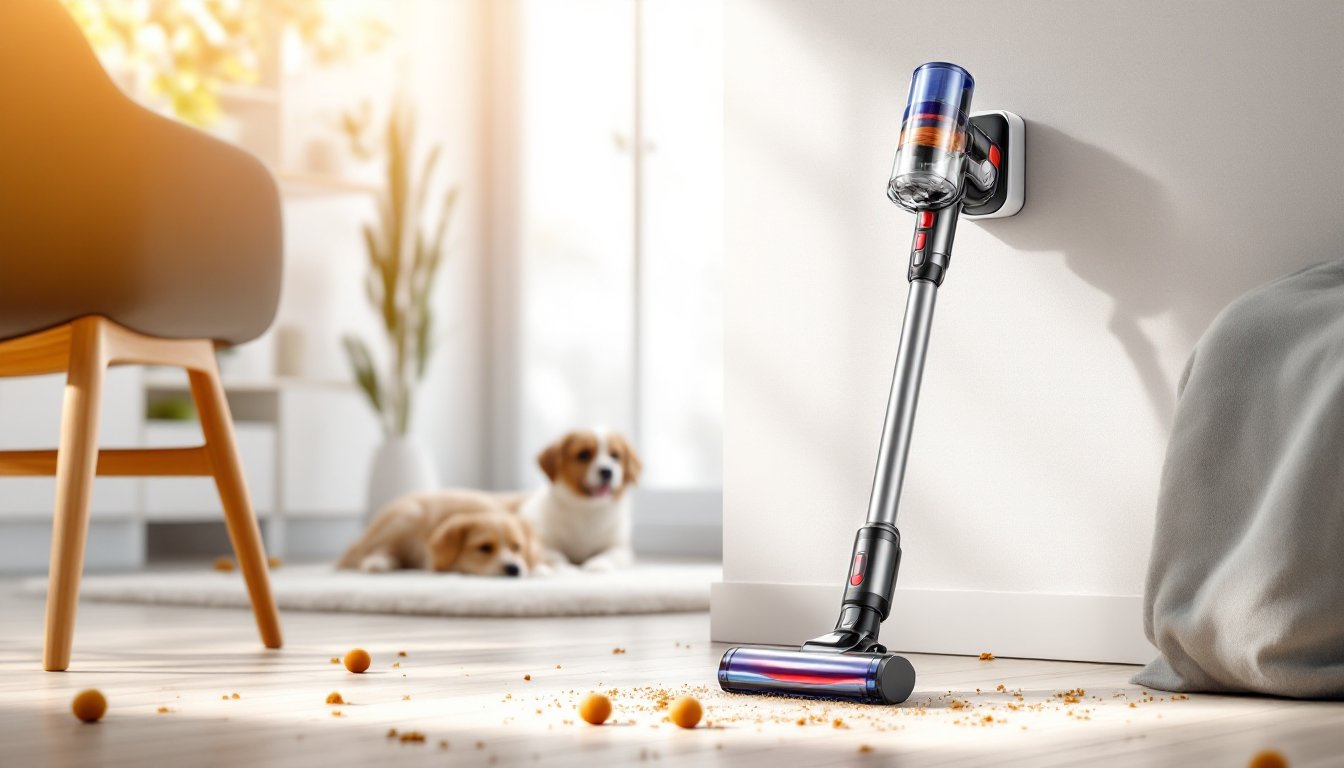
Setup and storage require minimal space. No power cord management headaches, no heavy base unit to find room for in a closet. Inse’s wall-mounted dock takes up perhaps 12 inches of wall space and keeps the vacuum visible and ready to grab. This visibility means you’re more likely to do quick cleanups instead of procrastinating with a bulky traditional vacuum in the garage.
The learning curve is nearly zero. Charge it, press power, and go, no assembly required on most models. This simplicity appeals to older homeowners, renters who don’t want complicated setups, and anyone just wanting to skip the instruction manual. Real Simple’s cleaning guides emphasize that the easiest vacuum to use is the one you’ll actually reach for regularly.
Potential Drawbacks to Consider
Battery anxiety is real for cordless vacuums. If you live in a 3,000+ sq ft home or have thick carpeting throughout, you may need to recharge mid-session. Some users find that frustrating, especially during seasonal deep cleans. Replacement batteries exist but add $100–$200 to your total investment.
The dust bin empties into your hands, which means fine dust clouds when you eject it. This isn’t ideal if you have allergies: a traditional upright with a sealed garbage disposal is cleaner from a health perspective. Inse filters require regular cleaning to maintain suction, clogged filters kill battery runtime and cleaning power quickly.
On thick carpets, the motorized brush roll can struggle compared to models with more powerful motors. If your home is carpeted wall-to-wall, or if you have a mix of plush rugs and hardwood, an Inse may require a second pass on stubborn pet hair or debris. Hard floors and light carpets? No problem. Premium thick carpeting? Worth testing first.
Noise output sits around 75–80 decibels (about as loud as a running garbage disposal), which isn’t exceptional. Cheaper models tend to be louder: quieter cordless vacuums cost more. If you clean early mornings or live in an apartment, this might matter.
How Inse Compares to Other Budget-Friendly Cordless Vacuums
In the sub-$300 cordless vacuum category, Inse competes with brands like Eureka, Bissell, and Ryobi. All offer similar suction power and runtime. The real differentiators are ergonomics, filter design, and customer support.
Testing organizations like Good Housekeeping have ranked budget cordless vacuums extensively, noting that Inse often delivers strong performance for the price, though premium models (Dyson V15, Shark Stratos) do outperform on thick carpets and allergen capture. CNET’s cordless vacuum tests highlight that runtime and weight matter most for typical households, areas where Inse holds its own.
Inse’s advantage lies in consistent battery performance and a quieter motor compared to some competitors. Its disadvantage is smaller dust capacity and slightly less aggressive brush roll. If you’re splitting hairs in the budget segment, Inse is a solid choice, just know what you’re not getting compared to $700 Dysons.