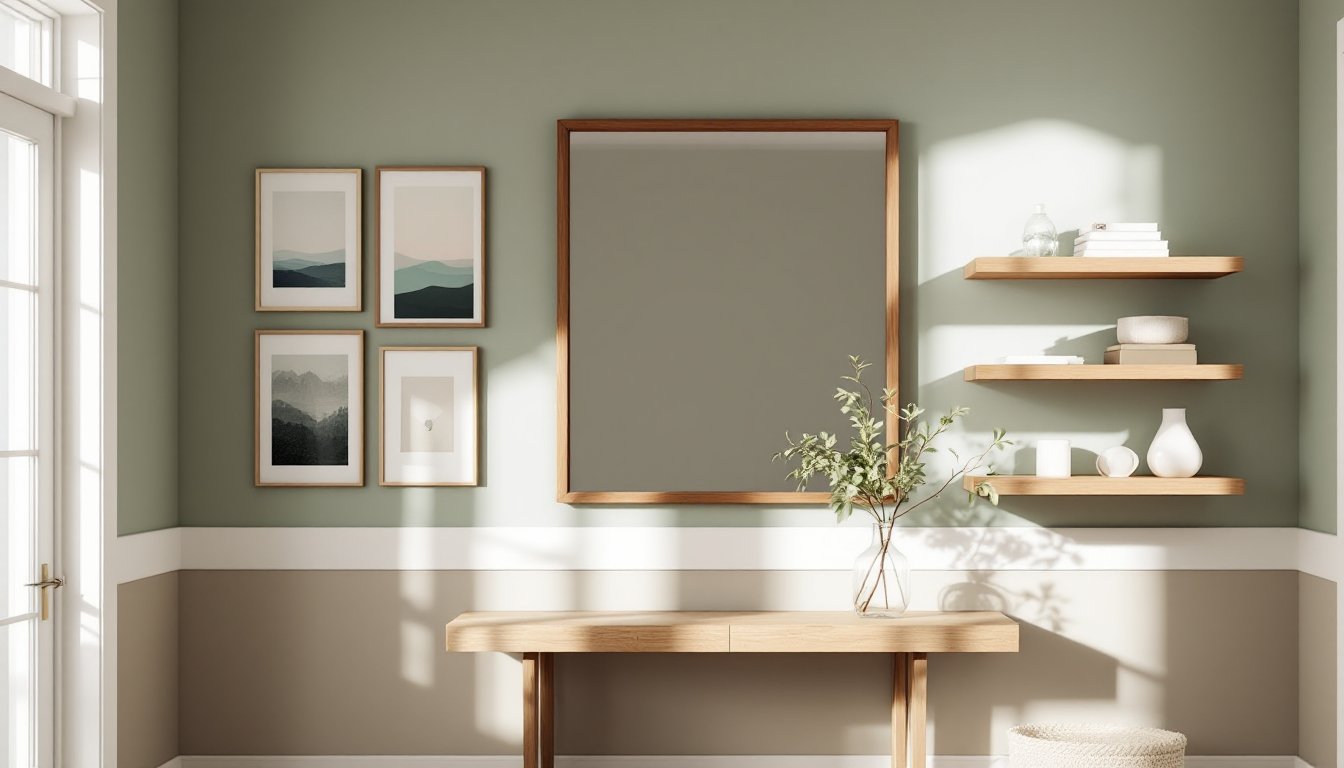
Your entryway is the first thing guests see when they step through your door, and it’s the last thing you notice before leaving home. The right wall decor for entryway spaces sets the tone for your entire home, making an entrance wall decor strategy worth the effort. Whether you’re working with a sprawling foyer or a modest hallway, thoughtful foyer wall decor transforms a plain corridor into a welcoming, intentional space. This guide walks you through seven practical approaches to entry foyer wall decor that balance aesthetics with function, from mirrors and gallery walls to strategic color choices. Each idea suits different skill levels and budgets, so you can tackle what fits your timeline and comfort zone.
Table of Contents
ToggleKey Takeaways
- Entryway wall decor with mirrors bounces light and creates the illusion of larger spaces, making them essential for small foyers.
- Gallery walls transform entrance wall decor with personality by mixing frame sizes and art types while maintaining 2–3 inches of spacing between pieces.
- Paint is the fastest and cheapest way to refresh foyer wall decor; a bold accent wall or two-tone effect with a chair rail adds sophistication without structural changes.
- Floating shelves serve dual purpose as functional storage and display for entryway decor walls, with the “rule of three” preventing cluttered appearances.
- Canvas prints and framed art hung at 57–60 inches from floor to center create professional-looking entryway wall decor without special skills.
- Peel-and-stick wallpaper and textured coverings add depth and pattern to foyer wall decor, offering flexible, renter-friendly alternatives to traditional paint.
Mirror Installations for Light and Dimension
Mirrors are the MVP of small entryways. They bounce natural light deeper into your home and make tight spaces feel larger, a psychological trick that actually works. A large leaning mirror against the wall requires zero installation, but a wall-mounted mirror with proper hardware gives you more flexibility and a finished look.
When hanging mirrors for entryway decor wall applications, locate the studs with a stud finder and use 3/8-inch lag bolts or heavy-duty anchors rated for your mirror’s weight. A typical 36-inch × 48-inch mirror runs 40–80 pounds depending on the frame. Mount it at eye level when you’re standing about 3 feet away, so viewers catch a natural reflection. If you’re installing above a console table or bench, hang it 12 inches above the surface.
Choose frames that match your hardware and existing trim. Wood frames suit traditional entryways: metal or glass frames work with modern schemes. Avoid oversized mirrors that dwarf the space, aim for a piece that covers about 30–40% of the wall width.
Gallery Walls That Showcase Your Style
A gallery wall is a confidence-building way to fill entrance wall decor space with personality. Mix frame sizes, finishes, and art types, photographs, prints, pressed botanicals, or mixed media, to create visual interest without looking chaotic. Start with an anchor piece (usually your largest frame) and build around it.
Measure and sketch your layout on paper before driving a single nail. Use painter’s tape on the wall to mark frame outlines, then photograph the layout and compare it to your sketch. This takes 15 minutes but saves hours of patching holes. Space frames 2–3 inches apart for a cohesive gallery feel: wider spacing reads as scattered.
For hanging, use appropriate hardware: picture hooks rated for total weight, or drywall anchors if you can’t locate studs. A wall stud finder costs $15–30 and pays for itself immediately. Print and mat your own photos for budget-friendly, personalized wall decor that feels intentional and tells a story about your home.
Color and Paint Treatments
Paint is the fastest and cheapest way to transform entryway wall decor. A bold accent wall, even a jewel tone like emerald or deep navy, creates drama without structural changes. Lighter foyer wall decor schemes open up narrow entries: darker colors cozy up large, echoing foyers.
Prep surfaces properly before painting. Patch holes and cracks with spackling compound, sand smooth, then prime before applying finish coat. Two coats of quality paint (at 350 square feet per gallon) beats one coat of cheap paint every time. Use a primer-in-one product only if the existing color is similar to your target: otherwise, proper primer under a topcoat ensures better coverage and truer color.
Consider horizontal or vertical striping, a matte finish on one wall and satin on others, or a two-tone effect with a chair rail (a wood or molding strip running horizontally, traditionally 36 inches from the floor). These techniques add depth and sophistication without professional help. Always test a pint of paint in your actual light before committing to a gallon.
Floating Shelves for Functional Display
Floating shelves pull double duty as storage and display, making them ideal for entryway decor wall projects where floor space is tight. Mount them 12–18 inches apart vertically and position them at varying heights to break up the monotony. Heavy-duty shelf brackets rated for your expected load, books, plants, and decor items add weight, are essential.
Locate at least two studs or use commercial-grade toggle bolts rated for 50+ pounds each if mounting between studs. Install the mounting plate with lag bolts screwed into studs. Shelf depth ranges from 8 to 12 inches: 10 inches is a practical sweet spot for books and décor. Leave 12 inches of clearance between shelf and ceiling or artwork above.
Style shelves with a mix of vertical and horizontal objects: a few books, a small potted plant, a framed photo, and negative (empty) space. Overloading shelves reads as cluttered: aim for the “rule of three”, three thoughtful items per shelf. Natural wood or metal shelves suit rustic or industrial schemes: white or black floating shelves work with any palette.
Wall Art and Canvas Prints
Canvas prints and framed art are forgiving entryway wall decor options that don’t require skill beyond hanging a frame. Choose art that reflects your taste and home’s color scheme, a landscape, abstract print, or family portrait all work. Large single pieces anchor a wall: smaller prints clustered in groups create rhythm.
Source art from print-on-demand services, local artists, or thrift stores. A 24-inch × 36-inch canvas or poster board print typically costs $20–60, depending on where you order it. Pair it with a simple frame kit from any home improvement store: an assembled frame with glass, backing, and hanging wire costs $15–40 for standard sizes.
Hang artwork at “eye level,” which is roughly 57–60 inches from the floor to the center of the piece. In an entryway with high ceilings or a staircase, slightly higher is acceptable, aim for center-of-sight when standing in the room. A level and measuring tape prevent the “one nail higher than the other” frustration.
Textured Wall Coverings and Wallpaper
Wallpaper and textured coverings add depth and pattern that paint alone cannot match. Modern peel-and-stick wallpapers remove the hassle of adhesive: removable designs work for renters or anyone nervous about commitment. Self-adhesive options run $25–75 per roll (typically 28 inches wide × 10 feet long) and adhere to clean, smooth surfaces.
For traditional wallpaper, prep the wall with primer-sealer, then apply adhesive according to the manufacturer’s instructions. Hire a pro if you’re unsure, wallpaper application is one area where mistakes are visible and difficult to correct. Textured finishes like grasscloth, linen, or embossed patterns suit foyer wall decor because they hide minor surface imperfections and add subtle luxury.
Geometric patterns energize neutral entryways: damasks or florals add elegance. Measure your entry foyer wall decor space before ordering to avoid waste. Most wallpaper comes in double rolls: order 10% extra for pattern matching and future repairs. Remove wallpaper by scoring with a perforating tool, applying a removal solution, and scraping gently, a heat gun speeds the process.
Create an Entryway That Welcomes Everyone
The best entryway wall decor reflects who lives in the home while setting a welcoming tone. Layer your chosen elements, a paint color, a mirror, floating shelves with meaningful objects, to build a curated, intentional entrance wall decor scheme. Your foyer wall decor doesn’t need to match design magazines: it needs to feel genuine and make you smile when you come home.
Start with one or two projects this year. A fresh coat of paint plus a mirror installation takes a weekend. Add shelves or a gallery wall next season. This paced approach spreads cost and effort, letting you live with changes before making more. Quality materials, proper prep work, and honest assessment of your skill level guarantee results you’ll enjoy for years.