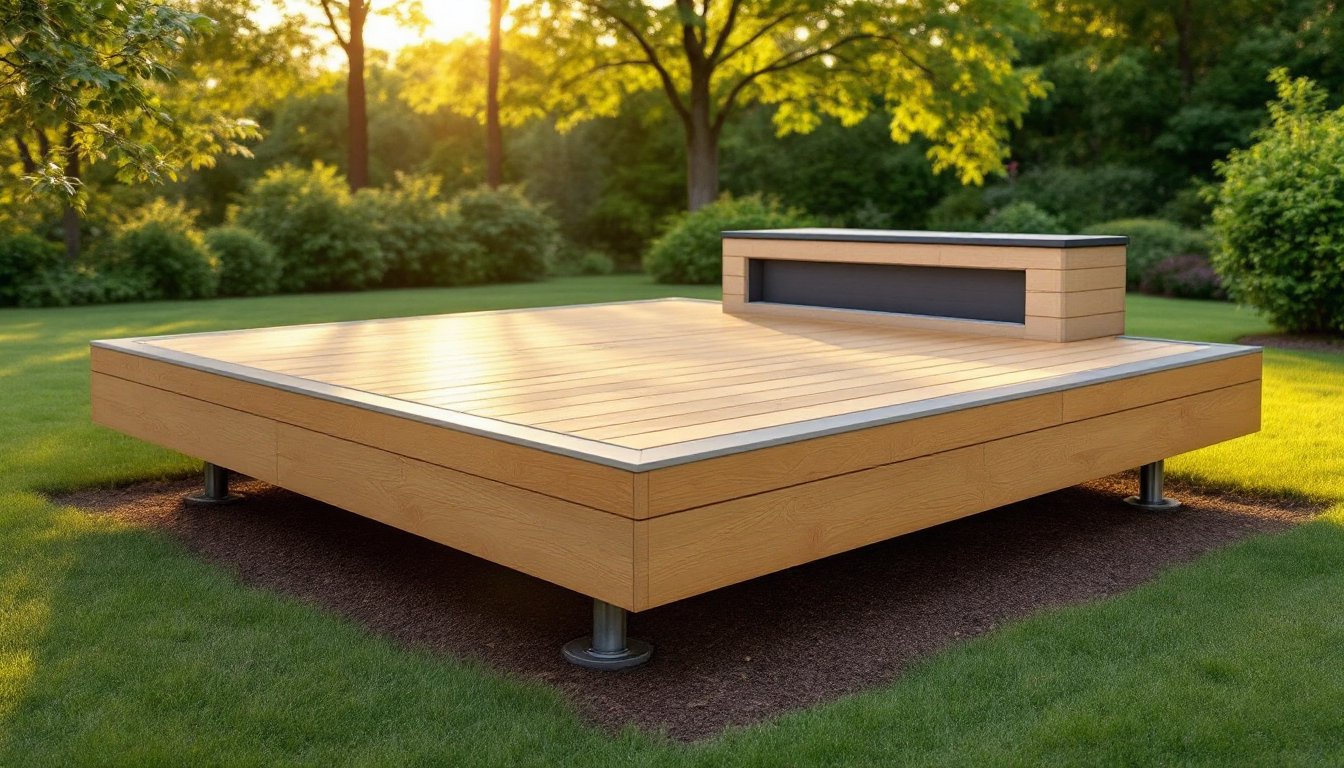
A floating deck sits elevated above the ground without visible support posts beneath it, creating that sleek, minimalist look that’s become a backyard staple. Unlike traditional decks anchored deep into the earth, floating decks rest on adjustable footings or piers, giving them flexibility in design and easier installation on uneven terrain. Whether you’re tight on budget or dreaming big, floating deck ideas range from ground level low budget designs to contemporary showstoppers. They’re perfect for renters (no permanent damage), homeowners wanting to maximize small yards, or anyone ready to add serious curb appeal without a contractor’s price tag.
Table of Contents
ToggleKey Takeaways
- Floating deck ideas offer faster installation and modern aesthetics than traditional decks because they use adjustable footings instead of deep-set posts, making them perfect for uneven terrain and rental properties.
- Most jurisdictions don’t require permits for floating decks under 30 inches high, allowing budget-conscious homeowners to skip costly contractor fees and paperwork.
- Budget-friendly floating deck designs start with small footprints (6×8 feet), pressure-treated lumber, and concrete blocks or adjustable footings, costing as little as $800 for a basic setup.
- Composite decking and pressure-treated lumber each offer distinct advantages: composite lasts 25+ years with minimal maintenance but costs 30-50% more, while pressure-treated lumber is affordable but requires resealing every 2-3 years.
- Design styles range from contemporary minimalist with clean lines and neutral tones to rustic natural aesthetics using cedar or redwood that blend seamlessly with landscapes.
- Simple DIY elements like lattice skirting, basic 2×4 railings, and strategic seasonal material purchasing can significantly reduce overall floating deck costs without compromising durability or safety.
What Is a Floating Deck and Why Build One
A floating deck is essentially a raised platform that appears to hover above the ground. It’s supported by adjustable footings (sometimes called deck screws or adjustable pedestals) rather than posts sunk three feet into the earth. The deck frame sits on top of these footings, and the whole structure can shift slightly with the ground, which actually helps during freeze-thaw cycles in colder climates.
Why build one? First, they’re faster to install than traditional decks. You skip the heavy digging and concrete work. Second, they work brilliantly on sloped or rocky ground where driving posts deep would be a nightmare. Third, most jurisdictions don’t require permits for floating decks under 30 inches high (check your local code, this varies). Fourth, if you ever move or want to modify your yard, you can dismantle and relocate the deck without permanent damage to the landscape.
They’re also ideal for renters with permission from landlords, since you’re not leaving scars on the property. And honestly? They look modern. That clean, minimalist aesthetic appeals to anyone tired of bulky traditional deck aesthetics.
Design Styles for Floating Decks
Contemporary Minimalist Designs
Minimalist floating decks strip away railings (within code limits), use clean lumber lines, and often feature composite materials in neutral tones. Think horizontal slat cladding wrapping the underside, a built-in bench integrated into the frame, and zero clutter underneath. These designs emphasize negative space, the gap between deck and ground becomes part of the visual appeal.
For a true contemporary look, consider using pressure-treated lumber in darker stains or composite decking in charcoal or warm gray. Pair this with steel accents (railings, fasteners) for an industrial edge. Many contemporary designs also incorporate shallow seating areas or sunken lounging spots within the deck itself, maximizing function in tight yards.
Rustic and Natural Aesthetics
Rustic floating decks celebrate wood grain and weathered finishes. Cedar or redwood, though pricier, age beautifully and emit that classic deck aroma. You’ll see broader spacing between boards, allowing grass to peek through, and the underside often left open (creating a natural look) rather than skirted. Pair rustic decks with stone or gravel beneath for a Craftsman-era vibe.
These designs work wonderfully for forest properties or cottages. They also tend to blend better with natural landscapes, especially when nestled near mature trees. A rustic floating deck with natural wood and minimal stain looks like it grew from the landscape rather than landed on it.
Material Choices That Work Best
Pressure-treated lumber is the budget standard for floating deck frames. It resists rot and insects, though it requires resealing every 2-3 years. A typical 8×12 floating deck frame uses 2×10 joists and 2×6 decking boards.
Composite decking (a wood-plastic blend) costs 30-50% more upfront but needs minimal maintenance and lasts 25+ years. It won’t rot or splinter, and it comes in dozens of colors. The downside? It can get hot underfoot in full sun and doesn’t age with character like real wood.
Cedar or redwood offers natural beauty and aromatic appeal but demands more upkeep. These softer woods need annual sealing or staining. They’re also pricier than pressure-treated lumber.
Adjustable footings (the hidden hero) come in plastic, aluminum, or concrete screw types. Plastic footings run $15-30 each: aluminum pedestals cost $40-80 but offer better load distribution on soft ground. You’ll typically need one footing every 4-6 feet depending on your deck size and expected load.
When selecting materials, factor in your climate. Cold regions need footings that won’t heave: hot, dry areas benefit from composite to avoid warping. Always check weight capacity ratings, a typical residential floating deck handles 40 pounds per square foot live load.
Budget-Friendly Floating Deck Ideas
Ground level low budget floating deck ideas don’t require fancy materials or complex designs. Here’s how to keep costs down without cutting corners on safety or durability.
Small footprint is your friend. A 6×8 deck costs roughly one-third what a 12×12 costs. Start small, use it as a meditation nook, cocktail space, or hot tub pad, and expand later if you want.
Pressure-treated lumber plus concrete blocks. Skip adjustable footings on flat, stable ground. Stack concrete blocks (8x8x16 inch) directly on compacted soil or sand. Rest your frame on them. Cost per block: $1-3. This method works best on level ground and in stable climates. In frost-heavy regions, concrete blocks can shift, use adjustable footings instead.
DIY skirting. Open undersides look unfinished and let weeds grow. Scrap pressure-treated lattice or horizontal 1x4s attached to the frame’s perimeter cost a fraction of built-in skirting and clean up the look instantly.
Simple rail design. If you need railings for code compliance, a basic 2×4 and 2×2 grid (horizontal balusters spaced no more than 4 inches) is cheap and timeless. Paint it once and it lasts.
Stain, don’t paint. One coat of semi-transparent stain on pressure-treated lumber costs less than two coats of paint, looks better longer, and makes future touch-ups easier. Expect to reapply every 2-3 years, versus annually for paint.
Resources like Ana White offer free floating deck plans with exact lumber lists, helping you nail materials estimates. Many plans start at 8×10 feet and scale up or down based on your space. Before you buy anything, measure twice, visit your local building department with a sketch, and confirm you’re under that 30-inch height threshold that typically skips permit requirements in most jurisdictions.
Another angle: buy materials at the end of the season (late August through September) when clearance sales hit. Pressure-treated lumber especially sees discounts as contractors wrap projects before fall.
Conclusion
Floating decks deliver modern aesthetics, easy installation, and flexibility whether you’re spending $800 or $5,000. Ground level designs work brilliantly for tight budgets, while elevated styles add drama to larger yards. Choose materials based on your climate and maintenance tolerance, sketch your plan (or grab a free one online), confirm local codes, and get building. Your summer self will thank you for the extra outdoor space.