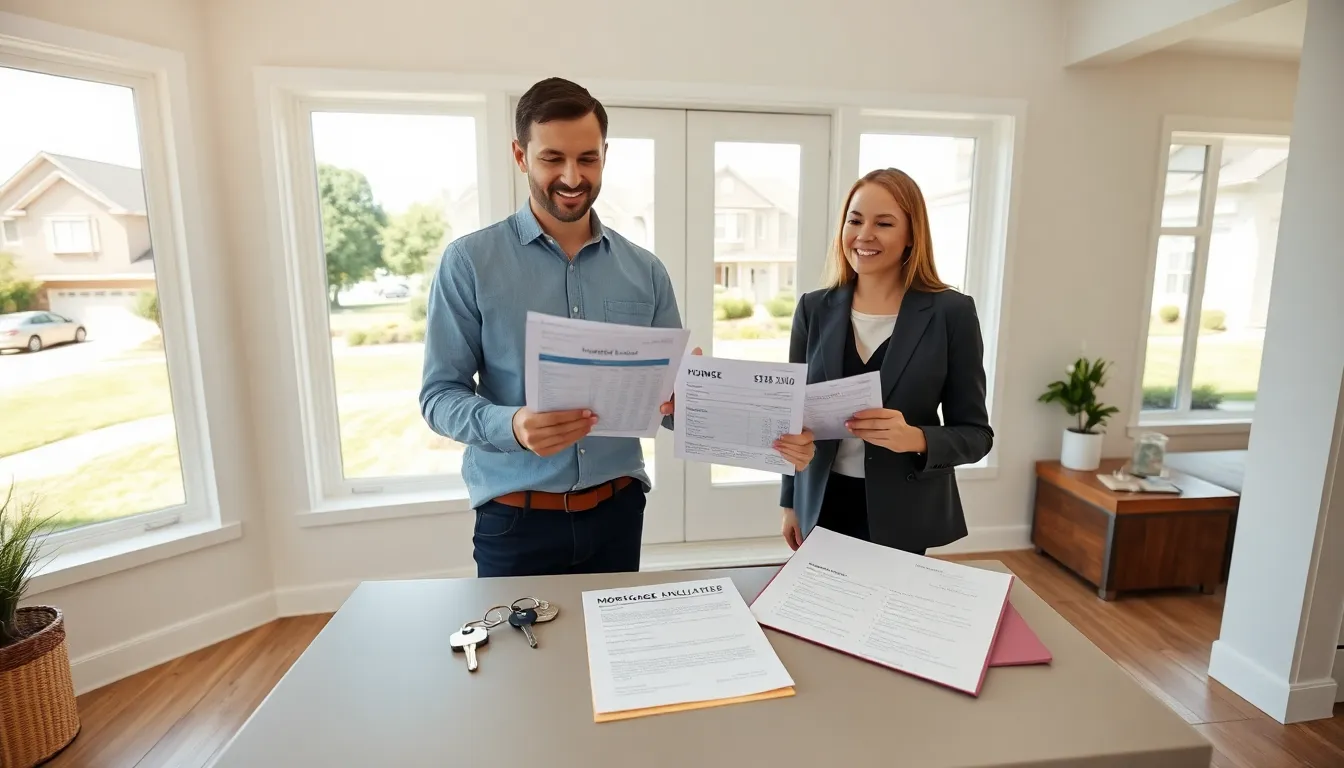
Buying a home requires more than just finding a property you like. Smart buyers use proven buying a home techniques to save money, reduce stress, and close deals faster. The current real estate market rewards preparation and strategy. Mortgage rates fluctuate, inventory shifts, and competition varies by location. Buyers who understand these dynamics make better decisions.
This guide covers the essential buying a home techniques that separate successful buyers from those who struggle. From financial preparation to closing negotiations, each step matters. Whether purchasing a first home or upgrading to a larger property, these strategies apply across price points and markets.
Table of Contents
ToggleKey Takeaways
- Get pre-approved (not just pre-qualified) before house hunting to strengthen your position with sellers and close deals faster.
- A credit score above 740 unlocks the best mortgage rates—even a 0.5% rate difference can cost $42,000 extra over 30 years.
- Research neighborhoods thoroughly by tracking listing prices, days on market, and sale-to-list ratios to understand local buying conditions.
- Work with experienced real estate professionals, including a buyer’s agent and mortgage broker, since their expertise typically costs buyers nothing.
- Master competitive buying a home techniques like escalation clauses, flexible closing timelines, and strategic earnest money deposits to stand out in hot markets.
- Focus inspection negotiations on major issues like foundation cracks or roof damage—not cosmetic fixes—and consider requesting seller credits for more control over repairs.
Get Your Finances in Order Before You Start
Financial preparation forms the foundation of successful home buying. Lenders evaluate credit scores, debt-to-income ratios, and employment history before approving mortgages. Buyers should check their credit reports at least three months before house hunting. Errors on credit reports are common, and fixing them takes time.
A credit score above 740 typically qualifies buyers for the best interest rates. Even a small rate difference adds up over a 30-year mortgage. For example, a 0.5% rate increase on a $400,000 loan costs roughly $42,000 in additional interest over the loan term.
Saving for a down payment requires discipline. Most conventional loans require 3-20% down, while FHA loans allow as little as 3.5%. But, putting down less than 20% means paying private mortgage insurance (PMI), which adds $100-$300 monthly to housing costs.
Buyers should also budget for closing costs, which run 2-5% of the purchase price. These include appraisal fees, title insurance, attorney fees, and lender charges. Having cash reserves beyond the down payment signals financial stability to lenders.
Getting pre-approved, not just pre-qualified, gives buyers a competitive edge. Pre-approval involves a full credit check and income verification. Sellers take pre-approved offers more seriously because financing is less likely to fall through.
Research the Market and Neighborhoods Thoroughly
Effective buying a home techniques include deep market research. Local real estate markets behave differently. Some areas favor sellers with multiple offers and bidding wars. Others give buyers more leverage to negotiate.
Buyers should track listing prices, days on market, and sale-to-list price ratios in target neighborhoods. This data reveals whether homes sell above, at, or below asking price. Real estate websites provide historical data, but local agents offer insights that algorithms miss.
Neighborhood research extends beyond property values. School district ratings affect resale value even for buyers without children. Crime statistics, traffic patterns, and future development plans impact daily life and long-term appreciation.
Visiting neighborhoods at different times, mornings, evenings, weekends, shows what daily life actually looks like. That quiet street might have heavy commuter traffic at 7 AM. The charming downtown area might get loud on Friday nights.
Property taxes vary significantly between municipalities. Two similar homes in adjacent towns might have tax bills differing by thousands annually. Buyers should factor property taxes into their monthly budget calculations, not just mortgage payments.
Work With Experienced Real Estate Professionals
Professional guidance improves outcomes when buying a home. A skilled buyer’s agent advocates exclusively for the buyer’s interests. They know local inventory, pricing trends, and which listings have motivated sellers.
Buyers don’t typically pay their agent’s commission, sellers cover both sides. This makes professional representation essentially free for buyers. Skipping representation to “save money” usually backfires because sellers rarely reduce prices by the commission amount.
Mortgage brokers compare rates across multiple lenders, potentially saving thousands over the loan term. They also know which lenders close quickly and which create delays. In competitive markets, a lender’s reputation for reliable closings can make or break an offer.
Real estate attorneys review contracts and identify problematic clauses. Some states require attorney involvement: others don’t. Even where optional, legal review protects against costly surprises.
Building a team before starting serious house hunting saves time. When the right property appears, buyers need to move quickly. Having financing, representation, and legal review lined up enables fast, confident action.
Master the Art of Making Competitive Offers
Strong offers reflect market conditions and seller motivations. In competitive markets, offering below asking price rarely works. Data shows the best buying a home techniques involve understanding what makes offers stand out.
Earnest money deposits signal serious intent. Standard deposits run 1-3% of the purchase price, but offering more demonstrates commitment. This money goes toward closing costs if the sale completes.
Contingencies protect buyers but weaken offers. Common contingencies cover financing, inspections, and appraisals. In hot markets, waiving some contingencies makes offers more attractive. But, waiving inspection contingencies carries significant risk.
Escalation clauses automatically increase offer prices up to a maximum if competing bids appear. For instance, a buyer might offer $450,000 with an escalation clause adding $5,000 above competing offers up to $480,000. This strategy prevents overpaying while staying competitive.
Flexible closing timelines appeal to many sellers. Some want quick closes to access equity. Others need extra time to find their next home. Asking listing agents about seller preferences helps craft appealing terms.
Personal letters to sellers occasionally influence decisions, though many agents advise against them due to fair housing concerns. Local customs vary, so buyers should follow their agent’s guidance on this practice.
Navigate Inspections and Negotiations Wisely
Home inspections reveal problems invisible during showings. Professional inspectors check structural elements, roofing, plumbing, electrical systems, HVAC equipment, and more. Inspections typically cost $300-$500, a small price for avoiding major surprises.
Not every inspection finding warrants negotiation. Cosmetic issues and minor repairs come with most homes. Buyers using smart buying a home techniques focus negotiations on significant problems: foundation cracks, roof damage, outdated electrical panels, or HVAC systems near end-of-life.
Three main negotiation approaches exist after inspections. Buyers can request repairs before closing, ask for price reductions, or request seller credits toward closing costs. Credits often work best because they give buyers control over repair quality and timing.
Appraisal gaps occur when homes appraise below the agreed purchase price. Lenders only finance up to appraised value. Buyers must cover the difference in cash or renegotiate the price. Some buyers include appraisal gap coverage in initial offers to strengthen them.
Final walk-throughs happen 24-48 hours before closing. Buyers verify that agreed repairs were completed and the property’s condition matches expectations. This isn’t the time for new negotiations, it’s confirmation that existing agreements were honored.