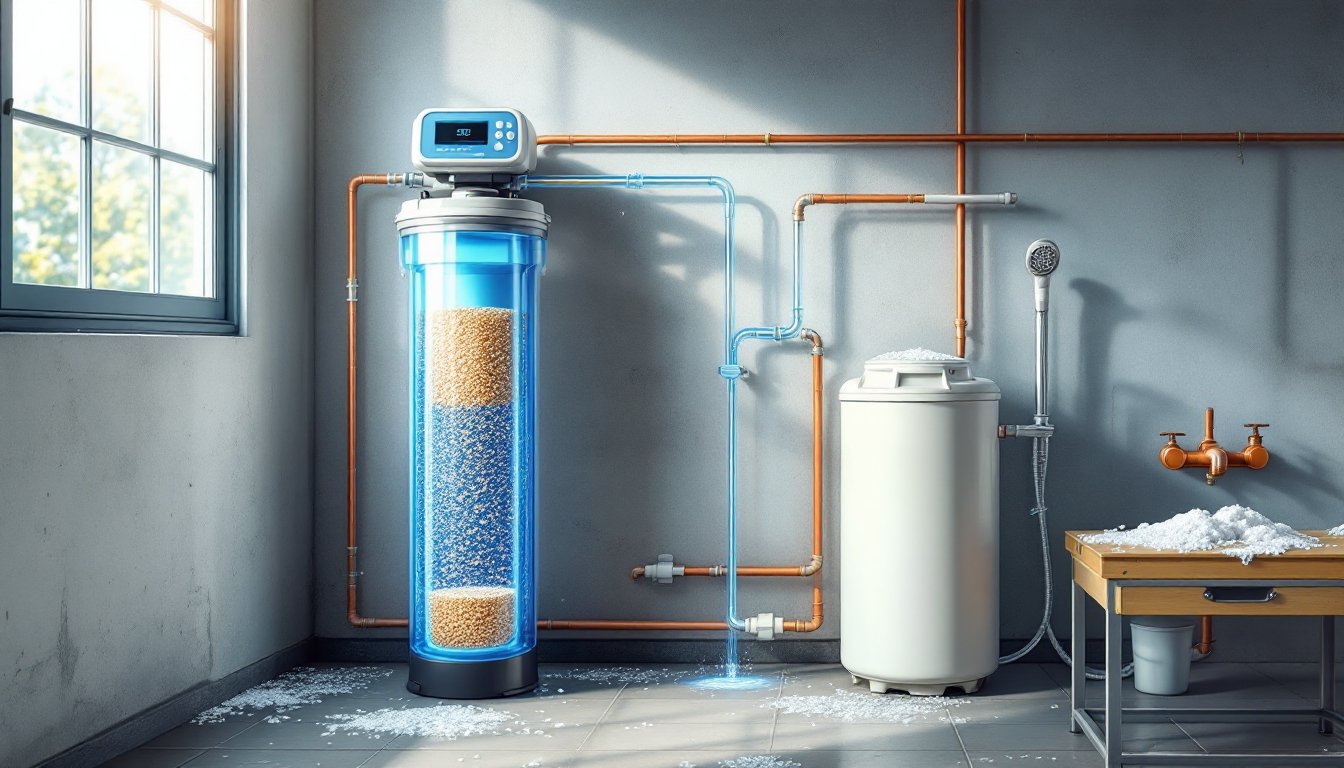
Hard water, water with high concentrations of dissolved calcium and magnesium, affects about 85% of American homes. If you’ve noticed mineral buildup on your shower head, dull laundry, or soap that won’t lather properly, you’re dealing with it. A water softener solves this problem by removing these minerals before they reach your taps, washing machine, and water heater. Understanding how a water softener works helps you decide whether one fits your home and how to maintain it properly once installed. This guide walks you through the ion exchange process, regeneration cycles, and the different types available so you can make an well-informed choice.
Table of Contents
ToggleKey Takeaways
- Hard water affects approximately 85% of American homes and causes mineral buildup that damages appliances, reduces detergent effectiveness, and creates scale deposits on pipes and fixtures.
- Water softeners work through ion exchange, where specialized resin beads swap calcium and magnesium minerals for harmless sodium ions as water flows through the system.
- Regeneration cycles automatically recharge resin beads by flushing salt solution through the tank in a multi-step process that takes 2–4 hours and uses 30–100 gallons of water.
- Salt-based softeners are the most affordable and effective option ($500–$2,500 installed), while salt-free and dual-tank systems offer alternatives for homes with specific environmental concerns or high water demand.
- Installing a water softener protects appliances like water heaters and dishwashers, potentially extending their lifespan by 5–10 years while reducing energy bills and improving skin, hair, and laundry quality.
What Is Hard Water and Why It Matters
Hard water contains dissolved minerals, primarily calcium and magnesium, picked up as water filters through soil and rock. These minerals aren’t harmful to drink, but they create real problems in your home. Hard water reduces soap and detergent effectiveness, leaving spots on dishes and a film on skin. It also accelerates mineral buildup (called scale) inside water heaters, dishwashers, and pipes, shortening their lifespan and reducing efficiency.
You measure water hardness in parts per million (PPM) or grains per gallon (GPG). Water below 60 PPM is considered soft: anything above 120 PPM is hard. Most laboratories or your local water utility can test your water for free or a small fee. If you’re noticing stiff laundry, corroded faucet aerators, or white crusty deposits on fixtures, you likely have hard water worth addressing. A water softener removes these minerals before they cause damage, protecting your appliances and improving daily quality of life.
The Ion Exchange Process Explained
The core of any water softener is ion exchange, a chemical process that swaps hard minerals for harmless sodium. When hard water enters the softener tank, it flows through a bed of specialized plastic beads (called resin) charged with sodium ions. As water passes through, calcium and magnesium ions stick to the resin beads while sodium ions are released into the water. This exchange continues until the resin is saturated with hard minerals and can no longer soften water effectively.
How Resin Beads Capture Hard Water Minerals
Resin beads are tiny plastic spheres coated with a chemical compound that attracts and traps calcium and magnesium. Think of them like a magnet for hard minerals. Each bead has a surface area measured in square meters, giving the resin tank enormous capacity to filter water. As hard water flows downward through the tank at a controlled rate (typically 1–3 gallons per minute), ions are exchanged continuously. The process is remarkably efficient, a single charge of resin can soften thousands of gallons before needing regeneration. The mechanics of water softeners, creating soft water that flows to your home’s pipes.
The Salt Regeneration Cycle
Once resin beads are saturated with calcium and magnesium, they stop working. The softener automatically triggers a regeneration cycle, a multi-step flush that cleans the resin and recharges it with sodium ions. This process typically runs at night or during low-use periods to minimize water disruption.
Regeneration works in three stages. First, a backwash reverses water flow through the tank to loosen trapped sediment and compact the resin evenly. Second, a brining step draws salt solution from the brine tank (a separate reservoir you fill periodically) through the resin, flooding it with sodium ions that displace the trapped hard minerals. Finally, a rinse cycle pushes excess salt and minerals down the drain while fresh soft water rises through the resin, leaving it recharged and ready. The entire cycle takes 2–4 hours and uses 30–100 gallons of water, depending on the softener’s capacity and your water hardness. Most systems automatically calculate regeneration timing based on water usage and hardness levels, so you don’t manually trigger cycles.
Types of Water Softeners and Their Differences
Salt-based ion exchange softeners are the most common and effective, working exactly as described above. They remove virtually all hard minerals and are affordable to operate, typically costing $500–$2,500 installed, depending on capacity. The main drawback is ongoing salt purchases and periodic brine tank refills (usually monthly in hard-water homes).
Salt-free systems use potassium chloride or template-assisted crystallization instead of ion exchange. They don’t remove minerals but prevent them from building up on pipes and appliances. These cost more upfront ($3,000–$4,000) and aren’t as effective in very hard water, but they eliminate salt handling and wastewater concerns. Some municipalities even restrict salt-based softeners due to environmental concerns about sodium in wastewater. Dual-tank systems maintain constant soft water by alternating regeneration cycles, one tank softens while the other regenerates. They’re pricier ($2,500–$5,000) but ideal for large households with high water demand. The best water softeners are tested and ranked by experts to help homeowners choose the right system for their needs and water hardness levels.
Benefits of Installing a Water Softener
The most immediate benefit is softer skin and hair. Hard water minerals prevent soap from lathering, leaving a sticky residue on skin: soft water reverses this, making showers feel cleaner and more luxurious. Laundry comes out softer and brighter because detergents work properly without mineral interference.
Appliance protection is equally important. Your water heater, dishwasher, washing machine, and coffee maker all last significantly longer when fed soft water. Scale buildup reduces efficiency and forces equipment to work harder, consuming more energy and shortening lifespan by 5–10 years. Removing hard minerals can extend a water heater’s life from 8–10 years to 12–15 years, easily paying back the softener’s cost. Plumbing also benefits, soft water prevents mineral deposits inside pipes, reducing clogs and pressure loss. Faucets, showerheads, and fixtures stay cleaner longer without white crusty buildup. The step-by-step process of how to improve home water quality. Over time, these benefits compound: lower energy bills, fewer repair calls, and better cleaning performance throughout your home.
Conclusion
Water softeners use proven ion exchange technology to remove hard minerals before they damage appliances and plumbing. Whether you choose salt-based, salt-free, or dual-tank, the payoff in appliance longevity, energy savings, and daily comfort is substantial. If you’ve confirmed hard water in your home, installing a softener is one of the smartest investments a homeowner can make for protecting their property and improving quality of life.