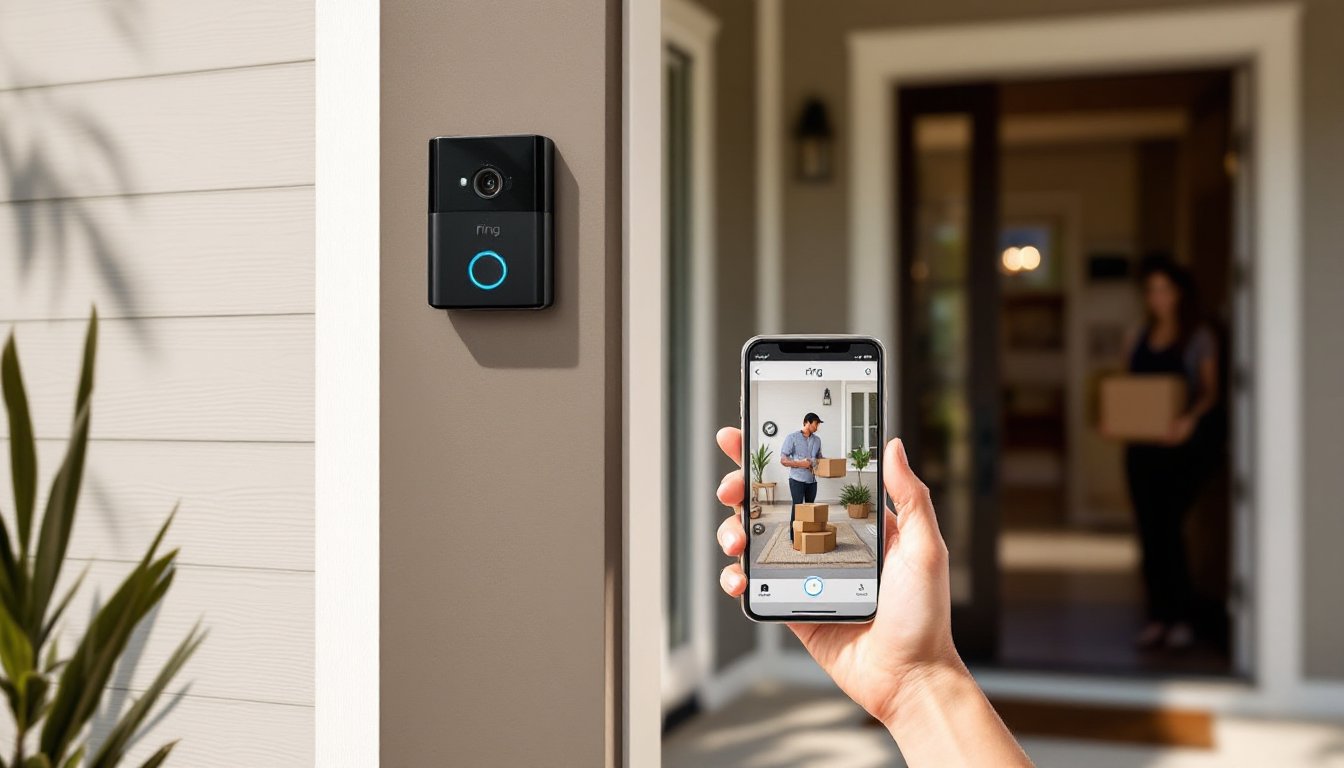
Real estate agents trends 2026 point to a year of major shifts. Technology, changing commission models, and new client expectations will reshape how agents work and succeed. Agents who adapt quickly will gain a competitive edge. Those who resist change may struggle to keep pace.
This article breaks down the key real estate agents trends 2026 will bring. From AI-powered tools to sustainability expertise, these developments will define the profession’s future. Here’s what agents and industry watchers need to know.
Table of Contents
ToggleKey Takeaways
- Real estate agents trends 2026 highlight AI tools, predictive analytics, and virtual tours as essential for staying competitive.
- Flexible commission structures—including flat fees and tiered models—will replace the traditional 5-6% model for many agents.
- Hybrid service models combining digital efficiency with in-person relationship building will become the industry standard.
- Agents who earn green certifications and understand energy-efficient features will attract environmentally conscious buyers.
- Technology won’t replace agents but will amplify their abilities—those who balance automation with personal service will thrive.
- Clearly communicating value and offering customizable service packages will help agents succeed amid compensation changes.
AI and Technology Reshaping Client Interactions
Artificial intelligence will become a standard tool for real estate agents in 2026. Chatbots and virtual assistants will handle initial client inquiries around the clock. This frees agents to focus on high-value tasks like negotiations and property tours.
Predictive analytics will change how agents find and serve clients. AI systems can now analyze buyer behavior, market data, and economic indicators. They predict which homes will sell fast and at what price. Real estate agents trends 2026 show that agents using these tools will close deals faster than competitors.
Virtual and augmented reality will move from novelty to necessity. Buyers expect 3D home tours before scheduling in-person visits. Some agents now conduct entire transactions with clients who never physically visit a property. This technology saves time for everyone involved.
CRM platforms will get smarter too. They’ll remind agents when to follow up with leads, suggest personalized content, and track client preferences automatically. The best systems will feel less like software and more like a capable assistant.
But technology won’t replace agents. It will amplify their abilities. Clients still want a human to guide them through the biggest purchase of their lives. The real estate agents trends 2026 reveal show that tech-savvy agents who balance automation with personal service will thrive.
Shifting Commission Structures and Compensation Models
The traditional 5-6% commission model faces pressure from multiple directions. Legal challenges, discount brokerages, and consumer expectations are driving change. Real estate agents trends 2026 indicate more agents will adopt flexible fee structures.
Flat-fee services will grow in popularity. Some agents now charge a set amount regardless of sale price. This appeals to sellers of expensive homes who question paying tens of thousands in commissions.
Tiered commission models will become more common. Agents might charge 1% for basic listing services and 3% for full-service representation. Clients can choose the level of support they want and pay accordingly.
Buyer agent compensation is also shifting. Following recent legal settlements, the way buyer agents get paid is changing. More buyers may pay their agents directly rather than through seller-funded commissions. This creates transparency but also new challenges for first-time buyers with limited cash.
Some agents will resist these changes. Others will see opportunity. Agents who clearly communicate their value can still command premium fees. The key is showing clients exactly what they get for their money.
Real estate agents trends 2026 suggest successful agents will embrace compensation flexibility. They’ll offer various service packages to match different client needs and budgets.
The Rise of Hybrid and Remote Real Estate Services
The pandemic permanently changed how real estate transactions happen. Hybrid service models, mixing in-person and digital interactions, will become standard in 2026.
Remote closings are now legal in most states. Buyers can sign documents electronically and complete purchases without sitting in a title company office. This benefits military families, relocating executives, and anyone buying property in another state.
Virtual consultations will replace many initial meetings. Agents can review market data, discuss pricing strategies, and answer questions via video call. Clients appreciate saving travel time. Agents can serve a wider geographic area.
But not everything works remotely. Most buyers still want in-person property tours for serious contenders. Sellers value agents who physically stage and photograph their homes. The human touch matters at key moments.
Real estate agents trends 2026 show that successful agents will master both worlds. They’ll use digital tools for efficiency and reserve face-to-face time for relationship building and critical decisions.
Some brokerages will go fully virtual. They’ll operate without physical offices and employ agents across multiple markets. This model cuts overhead costs and can attract tech-comfortable clients.
Sustainability and Green Property Expertise
Energy efficiency matters more to buyers each year. Solar panels, heat pumps, and smart thermostats now influence purchase decisions. Real estate agents trends 2026 point to growing demand for agents who understand green features.
Buyers want to know how much a home costs to heat and cool. They ask about insulation quality, window ratings, and appliance efficiency. Agents who can answer these questions confidently will win more clients.
Some agents are earning green certifications. The National Association of Realtors offers a Green Designation program. Certified agents learn to market energy-efficient properties and connect buyers with appropriate homes.
Local incentives add complexity. Tax credits, utility rebates, and state programs vary by location. Agents who track these benefits can save their clients thousands of dollars. This knowledge creates real value.
New construction increasingly follows green building standards. Agents working with builders need to understand LEED certification, Energy Star ratings, and net-zero home concepts.
Real estate agents trends 2026 suggest sustainability expertise will become a competitive advantage. Younger buyers particularly prioritize environmental features. Agents who speak this language will connect with the next generation of homeowners.