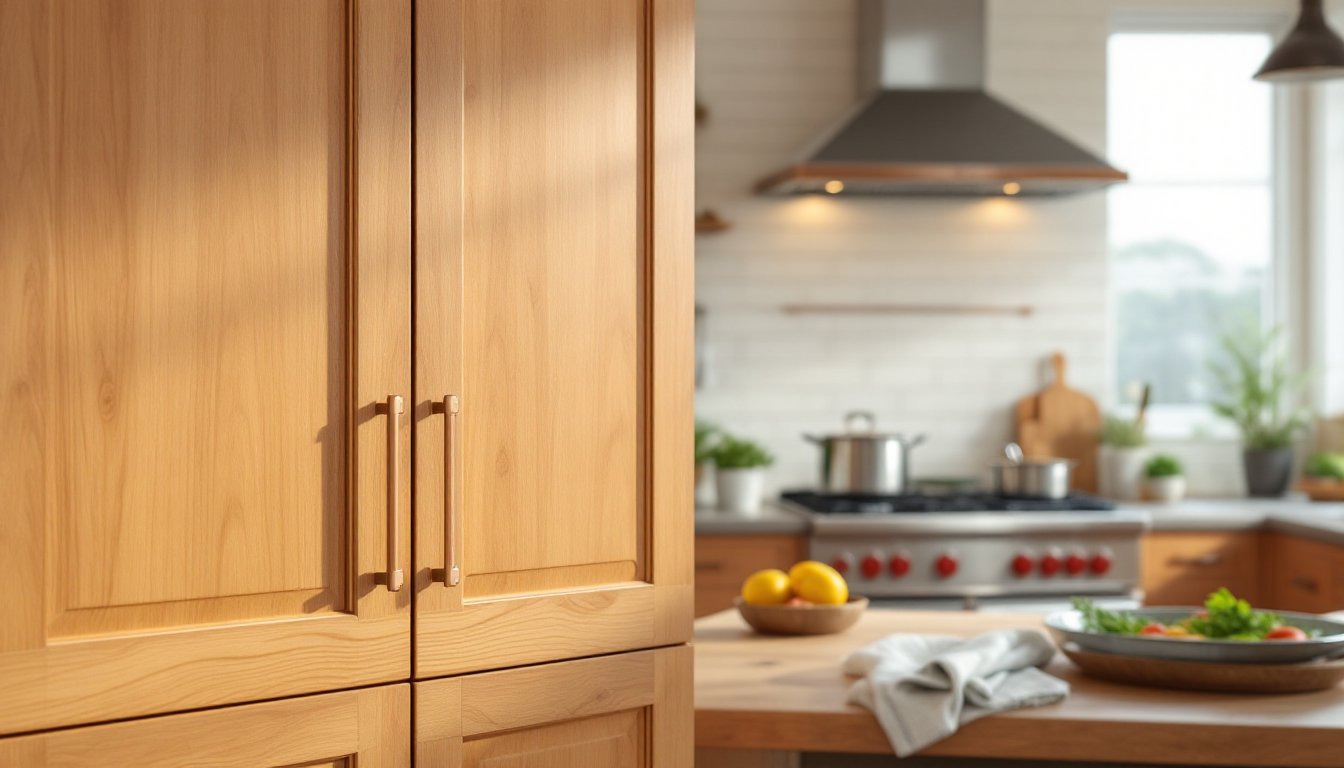
A wall mount range hood is one of the most practical upgrades a homeowner can make in the kitchen, and it’s one that pays dividends every time you cook. If you’re dealing with lingering cooking odors, steam fogging your windows, or grease landing on your cabinets, a wall range hood tackles all three problems at once. Unlike under-cabinet or island models, wall mounted range hoods mount directly to the wall behind your stovetop, offering clean lines and straightforward installation. Whether you’re planning a kitchen remodel or just tired of kitchen ventilation issues, this guide walks you through everything you need to know about choosing, sizing, and installing a wall mount range hood that actually works.
Table of Contents
ToggleKey Takeaways
- A wall mount range hood removes cooking odors, steam, and grease at the source by venting air outside (ducted) or filtering and recirculating it (ductless), significantly improving kitchen air quality.
- CFM (cubic feet per minute) is the most critical specification—aim for 100 CFM per 10,000 BTU of cooking capacity, with 400 CFM as a typical baseline for a 36-inch range.
- Proper installation requires mounting a wall range hood 24–30 inches above the cooking surface into wall studs with heavy-duty fasteners, and keeping ductwork runs short and straight to avoid performance loss.
- Aluminum mesh filters need cleaning every 1–3 months, while charcoal filters in ductless models require replacement every 3–12 months depending on cooking frequency.
- Ducted wall range hoods outperform ductless models in removing moisture and odors, but ductless options are easier to install and work in any kitchen layout where exterior venting isn’t accessible.
What Is a Wall Mount Range Hood and Why You Need One
A wall mount range hood is a ventilation unit that attaches directly to the wall above your cooking surface and pulls steam, smoke, and odors out of your kitchen. It sits flat against the wall like a chimney, drawing rising heat and cooking byproducts through ductwork and venting them outdoors or filtering them internally.
Why does this matter? Cooking generates moisture, grease particles, and odors that linger in your home. Without proper ventilation, grease builds up on surfaces, paint yellows from steam, and your kitchen smells like last night’s dinner for days. A functioning wall range hood removes these problems at the source, before they settle on your walls and cabinets.
They’re also more forgiving than some alternatives. Wall mounted range hoods sit higher than under-cabinet models, so they clear the line of sight from the cooktop. They’re simpler than island hoods, which require ductwork to run overhead. For most kitchens, a wall range hood offers the best balance of performance, aesthetics, and installation reality.
Types of Wall Mount Range Hoods
Ducted vs. Ductless Options
The first choice you’ll face is ducted or ductless, and it’s the biggest decision you’ll make.
Ducted wall range hoods connect to ductwork that runs through your wall or ceiling and vents air outside. They pull cooking steam and odors completely out of your home, which is why they’re the gold standard for performance. The tradeoff: you need access to an exterior wall or roof, and ductwork installation adds complexity and cost. If your kitchen isn’t against an outside wall, ducted becomes much harder.
Ductless (or recirculating) wall range hoods pull air through filters that trap grease and odors, then push the filtered air back into your kitchen. They’re easier to install, no ductwork required, and work in any kitchen layout. The catch is they’re less effective at removing moisture. You’re filtering and recirculating rather than removing, so humidity stays higher and filters need regular replacement (typically every 1–3 months depending on use).
For kitchens where ducting is possible, ducted wins. For tight spaces or renters, ductless is the practical choice. Most homeowners find the slightly higher performance and maintenance of a ducted system worth the installation hassle. Think of it this way: ducted removes the problem, ductless manages it.
Key Features and Specifications to Consider
CFM Ratings and Ventilation Power
CFM (cubic feet per minute) is the measurement of how much air your hood moves. A stronger CFM pulls more air faster, which means better odor and smoke removal. This is the single most important spec to get right.
General rule: you want 100 CFM for every 10,000 BTU of cooking capacity, though this varies by your cooking style. A typical 36-inch range with 4 burners generates around 40,000 BTU, so aim for 400 CFM as a baseline. If you cook frequently with high heat or do a lot of frying, go higher, 500–600 CFM. If you barely use your stove, 300 CFM might suffice.
One thing to note: the CFM rating on the box assumes ideal ducting. Real-world performance drops with longer ductwork runs, bends, and dampers. A hood rated at 500 CFM might deliver 400 in your actual setup, so don’t get caught buying undersized.
Noise level is rated in sones (1 sone = normal conversation level). Anything over 4–5 sones gets loud fast. Look for hoods around 1.5–3 sones for comfortable cooking without shouting over the fan.
Sone ratings matter. A 6-sone hood running every night will drive you crazy. Spend a few dollars extra for a quieter motor: you’ll use the hood more often if it doesn’t sound like a small aircraft.
Other practical features include variable speed controls (so you can run low for light cooking and high when frying), aluminum mesh filters (easier to clean than charcoal), and LED lighting (better illumination than halogen, and it lasts longer).
Installation and Sizing for Your Kitchen
Installing a wall range hood is straightforward if you’re mounting it on an existing wall, but the specifics matter.
Height and placement: Your hood should sit 24–30 inches above the cooking surface (check your specific model’s instructions, as this varies). Too low and you risk heat damage to the hood itself: too high and it won’t capture rising steam effectively. Mark the location with a pencil and use a level, this isn’t a guessing game.
Finding studs is non-negotiable. A wall range hood isn’t light: it pulls air under pressure, creating downward and outward forces. You must anchor it into wall studs with lag bolts or heavy-duty fasteners. A stud finder (magnetic or electronic) costs under $20 and saves you from mounting to drywall alone, which will eventually sag or fail.
Ductwork sizing and routing: For ducted hoods, ductwork is typically 6 or 8 inches in diameter. Shorter, straighter runs are always better. Every 45-degree bend or damper reduces CFM by 10–15%. If your run is over 25 feet or has more than 3 bends, you’re losing noticeable performance, step up your hood’s CFM rating to compensate.
Electrical: Most hoods need a dedicated circuit. If you’re lucky, there’s already an outlet behind where the hood mounts. If not, running new wiring requires either surface-mounted conduit (obvious but functional) or fishing wire through walls (cleaner but harder). If you’re not confident with electrical work, hire a licensed electrician, this isn’t the place to improvise.
For exact sizing and code requirements, check your local building department. Some jurisdictions require permits for range hood installation and specific exhaust venting standards. It’s a 15-minute call that beats rework later. According to Family Handyman’s installation guide, proper ducting and structural mounting are the two most common points where DIY installs fail. Get those right and you’re golden.
Maintenance and Care Tips
A wall range hood is low-maintenance if you treat it right, but neglect it and you’ll hit problems fast.
Aluminum mesh filters should be cleaned every 1–3 months depending on how much you cook. Pull them out, spray them with hot soapy water, scrub gently with a soft brush, and rinse. Some models are dishwasher-safe: check yours. A clean filter is crucial, a clogged filter reduces CFM performance by half or more.
Charcoal filters (in ductless hoods) can’t be washed. They trap odors and need replacement roughly every 3 months with heavy cooking, 6–12 months with light use. Buying filters in bulk online is cheaper than buying them in-store.
The exterior: Wipe down the stainless steel or painted surface monthly with a slightly damp cloth to prevent grease buildup. Use a microfiber cloth rather than paper towels to avoid streaking. For stubborn grease, a 50/50 white vinegar and water spray works, spray, let sit 5 minutes, wipe.
Check your damper (the flapper that stops outside air flowing back in when the hood is off). It should swing freely. If it sticks or won’t close properly, it’s leaking conditioned air. This is an easy $50–150 fix, but ignoring it costs you in heating and cooling efficiency.
Listen for changes. If your hood suddenly gets louder or pulls weaker, something’s blocking airflow, usually a clogged filter or damper. Address it before the motor works harder than it should. According to reviews of tested range hoods, units that receive regular filter maintenance last 10+ years. Those that don’t? 5 years or less.
Final Thoughts: Making the Right Choice
A wall mount range hood is one of those upgrades that immediately improves daily kitchen life. The right model removes odors, protects your walls from grease and moisture, and makes cooking feel less like a chore to apologize for afterward. Take time choosing the right CFM for your cooking style, verify you can properly duct it (or accept ductless tradeoffs), mount it securely into studs, and keep the filters clean. Do that and you’ve got a workhorse that earns its place on your kitchen wall for years.