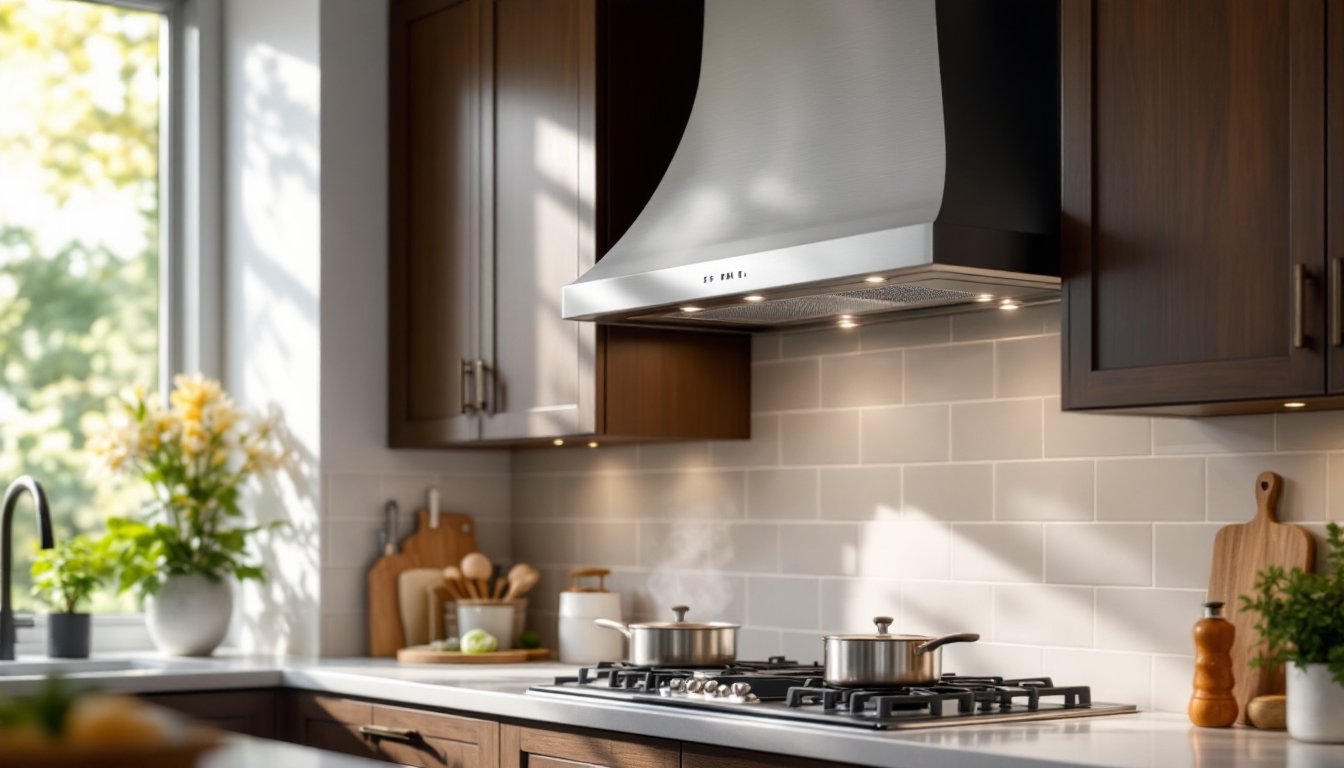
A stainless steel range hood does more than look sleek above your cooktop, it’s your kitchen’s first line of defense against cooking smoke, grease, and odors. Whether you’re tackling a full kitchen remodel or upgrading an aging ventilation system, choosing the right stainless range hood can transform how your kitchen feels and functions. Modern stainless steel hood range options have come a long way, offering everything from compact under-cabinet units to dramatic island installations. This guide walks you through why they’re worth the investment, what types exist, and how to install and maintain one properly.
Table of Contents
ToggleKey Takeaways
- A stainless steel range hood removes moisture, cooking vapors, and odors while resisting corrosion and rust far better than cheaper alternatives, protecting your kitchen from mold and cabinet damage.
- Choose between ducted models for superior performance in serious cooking environments or ductless hoods for easier installation in rental spaces, each offering distinct trade-offs in air quality and maintenance.
- Calculate your ventilation needs using the 100 CFM per linear foot rule, ensure proper 24-30 inch clearance between cooktop and hood, and anchor securely to wall studs or ceiling joists to avoid vibration and safety hazards.
- Clean baffle filters every 1-3 months, wipe the stainless exterior weekly with soft cloths and mild soap, and inspect ductwork annually to maintain optimal airflow and prevent fire risks.
- Stainless steel range hoods complement any kitchen style while requiring minimal upkeep, delivering decades of durability when installed correctly and maintained with basic care.
Why Stainless Steel Range Hoods Are Worth the Investment
A quality stainless steel range hood pulls its weight in your kitchen immediately. First, it removes moisture and cooking vapors that can warp cabinets, damage drywall, and foster mold growth over time. Unlike cheaper alternatives, stainless steel resists corrosion from steam and acidic cooking byproducts, crucial in a high-humidity environment. It also won’t rust or stain the way painted metal does, keeping that polished look for decades with basic care.
Beyond durability, a stainless range hood handles noise and performance better than plastic or aluminum hoods. Most quality models operate at 400–900 cubic feet per minute (CFM), moving large volumes of air quietly. The stainless finish itself is forgiving: fingerprints wipe away easily, and minor scratches blend into the brushed or polished texture. Stainless steel also complements virtually any kitchen style, from industrial lofts to minimalist modern spaces, making it a safer long-term choice if your design tastes evolve.
Types of Stainless Steel Range Hoods and Installation Options
Ducted vs. Ductless Models
Your first decision is ducted or ductless. Ducted range hoods expel air outside through rigid or flexible ductwork (typically 6–8 inches in diameter). This removes odors and humidity permanently but requires venting to an exterior wall, soffit, or roof, sometimes a deal-breaker in apartments or when structural barriers block the path. Ducted models are louder during operation because they overcome more resistance but deliver superior air quality.
Ductless (recirculating) range hoods filter air through charcoal and metal filters, then push it back into the kitchen. They’re easier to install, no exterior venting required, but filters need regular replacement (every 3–6 months, depending on cooking frequency). They’re quieter than ducted models but less effective at removing moisture and heat. For serious cooks or humid climates, ducted is the performance choice. For renters or impossibly located cooktops, ductless is practical.
Beyond ducted vs. ductless, stainless steel range hoods come in four main form factors. Under-cabinet models mount flush beneath kitchen cabinets and work in tight spaces: they’re compact but can shade your cooktop if overhead cabinets hang low. Wall-mounted (chimney) hoods sit proud of the wall, offering better ventilation and visual impact, ideal for kitchens open to living areas. Island hoods suspend from the ceiling above a central cooktop and deliver stunning aesthetics but cost more to install and duct. Downdraft and pop-up models hide ventilation when not in use, valuable in galley kitchens or when counter space is scarce, though they’re trickier to install and repair.
Key Features and Specifications to Consider
CFM (cubic feet per minute) is your primary ventilation spec. A rule of thumb: calculate 100 CFM per linear foot of cooktop. A 36-inch cooktop needs roughly 300 CFM: a 48-inch island setup might need 600+ CFM. Don’t oversource CFM, excessive capacity wastes energy and creates noise without proportional benefit. Check local building codes: many jurisdictions mandate minimum CFM based on cooktop size and kitchen layout.
Fan speed controls matter too. Multi-speed motors (low, medium, high) let you dial in ventilation for a quick toast versus a full braise. Delayed shutoff timers run the hood for 15–30 minutes after you switch it off, clearing lingering odors. Baffle filters (removable stainless steel grids) trap grease more effectively than mesh and dishwasher-safe designs save scrubbing time. Lighting is often an afterthought but crucial, halogens or LEDs illuminate your cooktop and help you spot spills and splatters early.
Some stainless steel range hoods now include smart controls, WiFi timers, and compatibility with voice assistants, though these add 15–25% to cost and aren’t essential for solid ventilation. Look for dishwasher-safe baffle filters and removable components: you’ll clean it more often if parts fit in the washer.
Installation Tips for DIY Enthusiasts
Before you start, confirm that a new hood matches your existing ductwork diameter. Mismatched duct sizes (e.g., a 6-inch hood with 8-inch existing ducts) force you to buy adapters or reroute, eating budget and effort. If you’re upgrading a hood, measure the old one’s duct connection first.
For under-cabinet installation: Most units screw directly to the underside of cabinets using lag bolts into solid wood framing. Mark stud locations with a stud finder, then drill pilot holes to prevent splitting. Use appropriate fasteners, lag bolts for wood, concrete anchors if your cabinet sits on masonry. Leave at least 24–30 inches of clearance between the cooktop surface and hood bottom (check your hood’s manual: some allow 18 inches). Secure any loose ductwork with stainless steel hose clamps to prevent vibration and noise.
For wall-mounted or island hoods: These anchor to wall studs or ceiling joists, not drywall alone. Use a stud finder to locate framing, then bolt the mounting bracket to at least two studs using 3/8-inch bolts and washers. Island hoods require venting through the ceiling: this usually demands removing joists or routing ductwork through the attic, often a job for a professional if you’re uncomfortable with structural work.
Ducting considerations: Use rigid metal duct (26-gauge galvanized steel or stainless) whenever possible, it resists grease accumulation and lasts longer than flexible ductwork. Run ductwork at a slight upward slope (1/4 inch per running foot) toward the exit to prevent grease backflow. Insulate exterior ductwork to minimize condensation in cold climates. Check local building codes: many jurisdictions require a damper in your ductwork to prevent backflow, and some mandate that hood ducts exit directly to the exterior without terminating into attics or crawlspaces.
Electrical: Most stainless steel range hoods require a dedicated 120V circuit. If you’re running new wiring, it’s typically a job for a licensed electrician, codes vary by jurisdiction, and improper wiring can be a fire hazard. If you’re replacing an existing hood with the same electrical connection, swapping the unit itself is usually safe.
Maintenance and Care for Long-Lasting Performance
Stainless steel range hoods demand minimal upkeep but benefit from regular attention. Clean baffle filters every 1–3 months, depending on cooking frequency. Dishwasher-safe filters go straight in the machine: others can soak in hot, soapy water, then scrub gently with a soft brush. Built-up grease reduces airflow and increases fire risk, so don’t skip this step.
For the stainless exterior, wipe down weekly with a soft cloth and warm soapy water. Dry immediately to prevent water spots. For stubborn grease or fingerprints, use a stainless steel cleaner (Barkeeper’s Friend works well) following the grain of the metal, this matters more than you’d think for appearance. Never use steel wool or abrasive scrubbers: they scratch the finish. Avoid chlorine-based cleaners: they pit stainless steel over time.
Check your ductwork and damper annually. Disconnect flexible ductwork and inspect for grease accumulation or blockages. A clogged duct kills performance and is a fire hazard. If you spot corrosion inside rigid ducts (especially in coastal climates), consider upgrading to stainless ductwork on your next service cycle.
Charcoal filters in ductless hoods need replacement every 3–6 months: don’t try to wash and reuse them, they lose absorptive capacity quickly. Having a Good Housekeeping product review on hand when shopping replacement filters ensures you grab the right size and type. Finally, listen to your hood. A sudden grinding noise, weaker airflow, or odd smells suggest a failing motor or blocked ductwork, address it quickly before it worsens.
Conclusion
A stainless steel range hood is an investment that pays dividends in kitchen health, durability, and aesthetics. Whether you opt for ducted performance or ductless convenience, the key is matching the hood type, size, and airflow to your cooking habits and kitchen layout. Proper installation, anchoring securely, ducting correctly, and respecting electrical codes, ensures years of trouble-free operation. With regular filter cleaning and basic stainless steel care, your hood will look and perform like new for a decade or more.