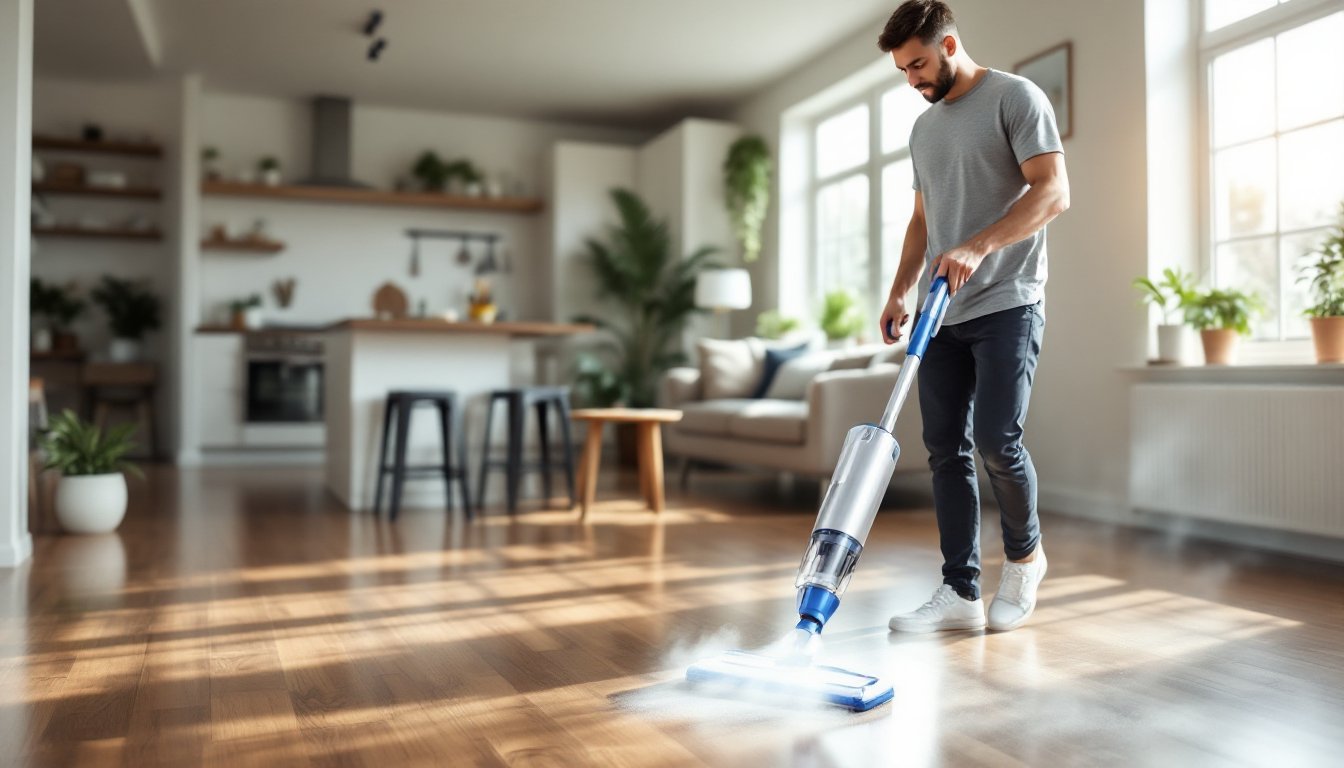
If you’re tired of chemical cleaners and traditional mopping, a Dyson steam mop might be the game-changer your home needs. These innovative cleaning tools use hot steam to sanitize and clean hard floors without relying on harsh chemicals, just water and heat. For homeowners and DIY enthusiasts looking to upgrade their cleaning routine, understanding what a Dyson steam mop offers can help you make a smart investment in your home’s cleanliness and your family’s health. In 2026, steam mop technology has evolved significantly, and Dyson’s lineup delivers impressive performance for various floor types and household needs.
Table of Contents
ToggleKey Takeaways
- A Dyson steam mop sanitizes hard floors using only heat and water, eliminating the need for harsh chemicals while killing bacteria and dust mites that pose health risks to families with children and pets.
- Dyson steam mops feature rapid-heat technology with adjustable steam settings, allowing you to customize pressure and intensity based on your floor type—from delicate laminate to stubborn tile grout.
- Cordless models provide 30–45 minutes of runtime ideal for smaller homes, while corded options eliminate battery concerns for larger spaces over 2,000 square feet.
- Always use distilled water, pre-sweep floors, and descale regularly to prevent mineral buildup and maintain consistent heating efficiency throughout your Dyson steam mop’s lifespan.
- Mid-range and premium Dyson steam mop models typically outlast budget alternatives by 3–5 years, making the higher initial investment worthwhile when considering long-term performance and maintenance costs.
What Is a Dyson Steam Mop and Why It Matters
A Dyson steam mop is a cordless or corded cleaning device that heats water to produce pressurized steam, which loosens dirt, grime, and bacteria from hard flooring surfaces without chemical cleaners. Unlike traditional wet mops that spread dirty water around, steam mops use heat and moisture to lift debris and sanitize simultaneously.
Why it matters: Most household dust, pet dander, and allergens settle on floors. A steam mop addresses this directly, the heat kills bacteria and dust mites without toxic fumes, making it safer for homes with kids and pets. You’ll also notice less residue buildup over time compared to conventional mopping, which means your floors stay cleaner longer and require less maintenance.
Dyson’s reputation in home cleaning means their steam mops come equipped with thoughtful engineering: quick heat-up times, consistent steam delivery, and lightweight designs that reduce fatigue during extended cleaning sessions. For DIY homeowners managing their own upkeep, this translates to a more efficient cleaning day and fewer chemical purchases over the year.
Key Features and Performance Advantages
Advanced Heating Technology and Steam Power
Dyson steam mops feature rapid-heat elements that reach optimal temperature in seconds, not minutes. This speed matters when you’re cleaning a kitchen or hallway, you’re not standing around waiting. The steam pressure (measured in bar or PSI) determines how effectively the mop cuts through stubborn spots. Higher pressure translates to better performance on grout lines, tile, and sealed hardwood floors.
Most Dyson models include adjustable steam settings, letting you dial down the intensity for delicate surfaces and ramp it up for heavily soiled areas. This flexibility is critical because not all hard floors tolerate the same heat and moisture levels. Sealed hardwood and laminate require gentler treatment than ceramic tile.
Another key advantage is the heating system’s consistency. Rather than losing steam pressure as you work, quality Dyson models maintain steady output throughout your cleaning cycle. This means the last corner of your kitchen gets the same cleaning power as the first.
The cordless models offer genuine convenience, no dragging extension cords around corners or worrying about tripping hazards. Battery life varies by model (check specs before buying), but most deliver 30–45 minutes of runtime, sufficient for average-sized homes. For larger spaces or commercial-style cleaning, corded options provide unlimited runtime without performance dips.
How to Choose the Right Dyson Steam Mop Model
Selecting the right model depends on your home’s flooring types, household size, and cleaning frequency. Start by identifying your primary surfaces. If you have mostly tile and stone, you can choose models with higher steam pressure. If you have sealed hardwood or laminate, you’ll want a lower-pressure option with moisture control to prevent water damage.
Consider your home’s square footage. Cordless models suit apartments and smaller homes well, but if you’re cleaning 2,000+ square feet regularly, runtime limitations might frustrate you. A corded model eliminates battery concerns, though it requires planning around outlets and cable management.
Budget matters, but don’t let price alone drive the decision. A cheaper steam mop might require frequent filter replacements or have inconsistent heating, which adds up over time. According to 8 Best Steam Mops, Tested by Cleaning Experts, professional testing reveals that mid-range and premium models typically outlast budget options by 3–5 years with proper maintenance.
Review the water tank capacity, larger tanks mean fewer refills during a cleaning session. Check if replacement pads are readily available and affordable: proprietary pads that cost extra per use will inflate your annual cleaning budget. Also verify warranty coverage: Dyson typically offers comprehensive warranties, but terms vary by model and retailer.
Finally, read verified owner reviews focusing on real-world performance on your specific floor types. Feedback from people with laminate floors or stone tile will tell you more than marketing claims.
Best Practices for Using Your Dyson Steam Mop
Before your first use, read the manual thoroughly, each model has specific filling, heating, and operating procedures. Fill the water tank with distilled water, not tap water. Minerals in tap water clog the heating element and reduce efficiency over time, so this simple step extends the mop’s lifespan significantly.
Always pre-sweep or vacuum hard floors before steaming. Loose dirt, crumbs, and pet hair shouldn’t go into the steam chamber. A quick pass with a cordless vacuum takes seconds and prevents debris from scratching floors or clogging jets.
Let the mop fully heat before starting. Dyson models signal when they’re ready, don’t skip this. Starting with a cold element wastes water and reduces cleaning power.
Use moderate, deliberate strokes. Pushing hard doesn’t clean better: consistent, even pressure with the steam setting matched to your surface does. On delicate floors, use the lowest steam setting and avoid lingering in one spot to prevent moisture damage.
Empty the water tank after each use and allow it to cool before refilling. This prevents mineral buildup and ensures consistent performance. Clean the steam vents periodically (usually monthly, depending on water hardness) using a damp cloth.
Maintenance Tips for Long-Term Performance
Descaling is essential, especially in hard-water areas. Most Dyson steam mops have a descaling cycle, consult your manual for frequency and products. Using a descaling solution recommended for your model prevents mineral deposits that reduce heating efficiency.
Inspect and replace pads regularly. Worn pads don’t absorb water effectively and can leave streaks. Most models accept generic microfiber pads, but Dyson’s official pads are engineered for optimal compatibility, check if the cost difference justifies buying proprietary options.
Store the mop in a cool, dry location. Never leave water in the tank long-term, as stagnant water promotes mold growth in the chamber. If you won’t use the mop for weeks, empty it completely and run a dry cycle to evaporate residual moisture.
Keep seals and gaskets clean. Mineral deposits around seals reduce performance and can cause leaks. A quick wipe with a damp cloth during monthly maintenance prevents problems.
If you notice decreased steam output or longer heat-up times, descaling is often the first fix. If that doesn’t help, check for clogs in the steam nozzles, a small pin can clear minor blockages. For persistent issues, contact Dyson support rather than attempting repairs yourself: warranty coverage often extends to service calls.
Conclusion
A Dyson steam mop transforms how you care for hard floors, replacing harsh chemicals with the power of heat and water. By understanding the technology, choosing a model suited to your home and lifestyle, and following smart maintenance practices, you’ll get years of reliable cleaning from your investment. Your floors, and your family’s health, will thank you.